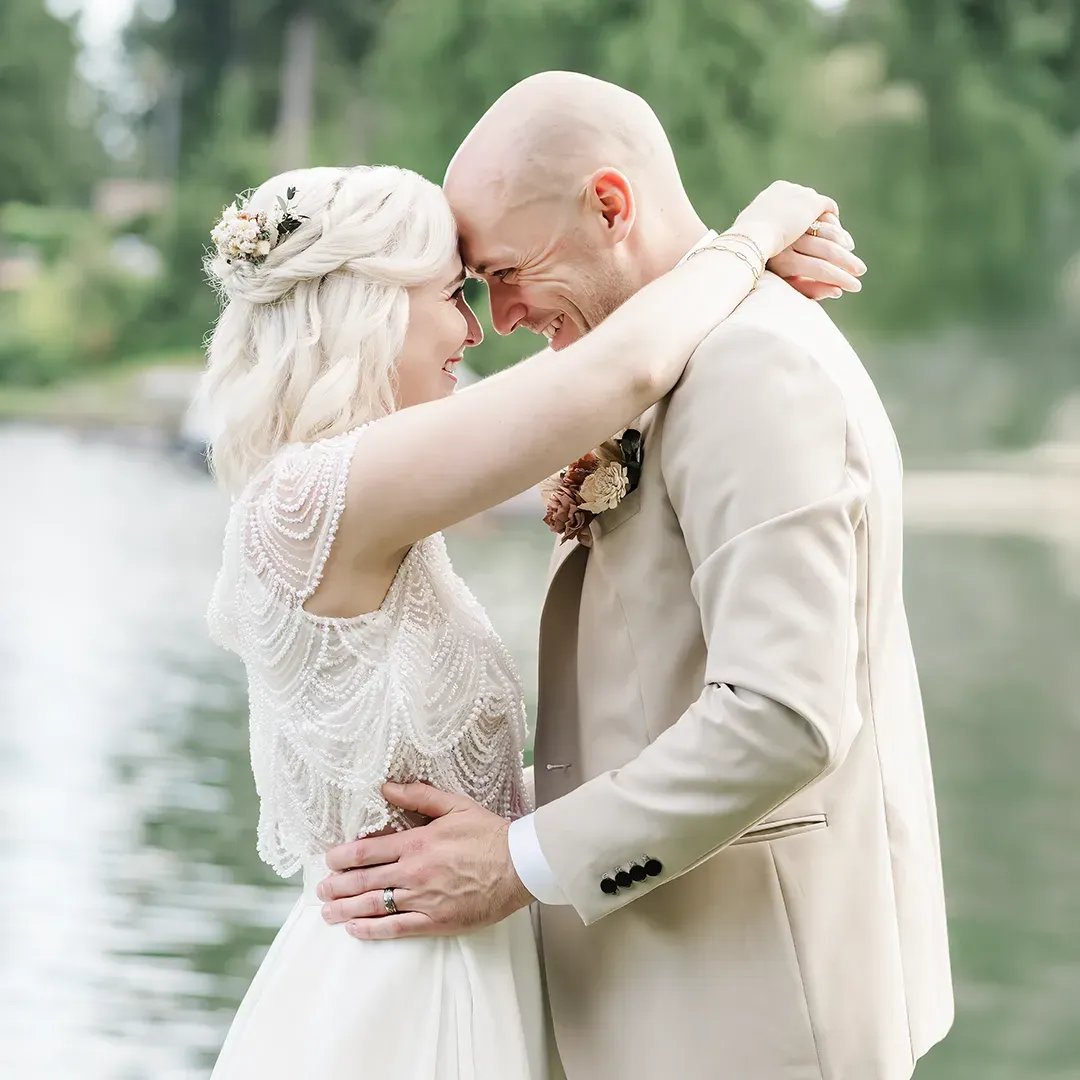
How Much Time You Really Need for Wedding Photos
One of the most common questions I get is:
“How many hours of photography do we actually need?”
And the answer isn’t a number I can give you right away.
Because it’s not just about coverage, it’s about how you want your day to feel.
It’s Not Just About Time
Technically, you can fit a wedding day into a shorter amount of coverage.
But what that usually means is:
moving quickly from one thing to the next
feeling a little rushed in places
and not having much room if anything runs late
And almost every wedding has something that runs late.
More time doesn’t just give you more photos.
It gives you space to breathe, to be present, to actually experience what’s happening instead of trying to keep up with it.
If you want to see what that difference looks like in real life, I walk through a full example here:
A Real Wedding Day Timeline
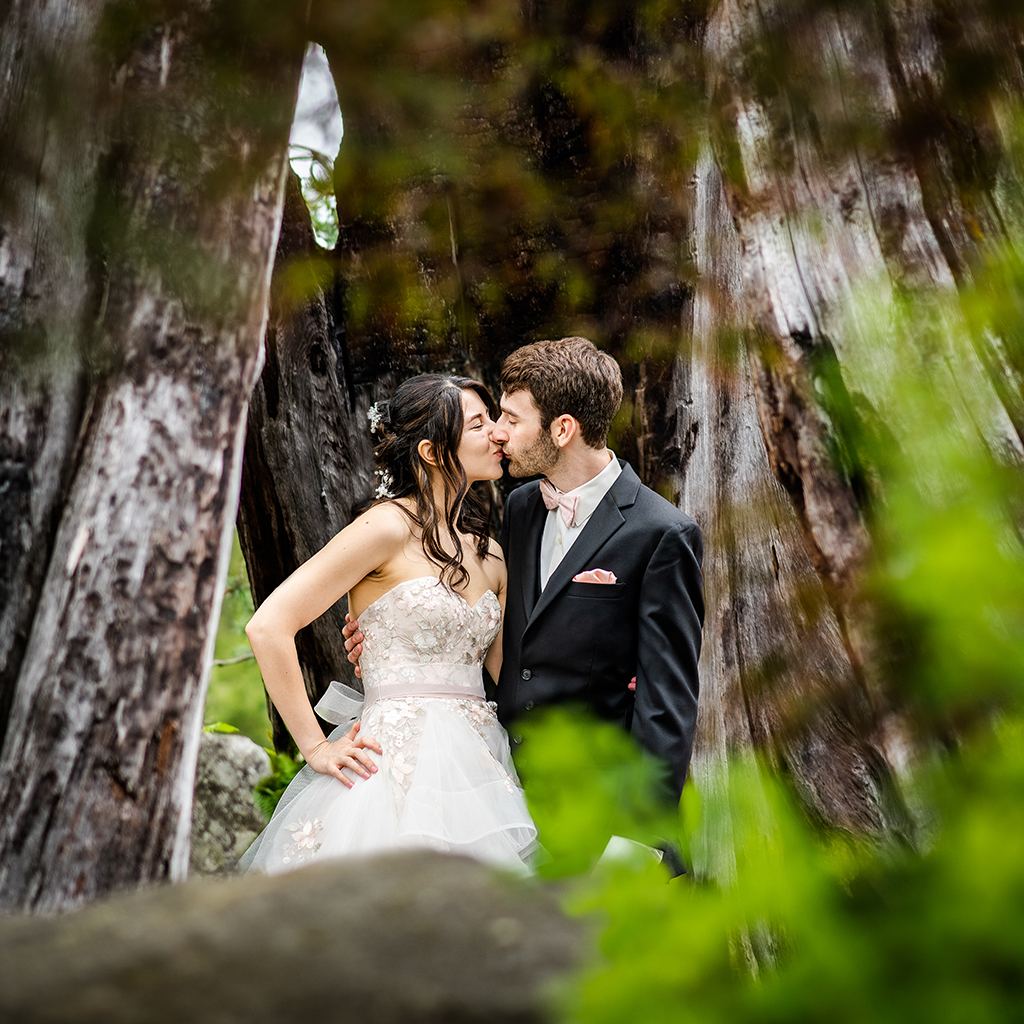
What 4 to 6 Hours Actually Feels Like
Four to six hours can work, especially for smaller or more simplified weddings.
But it’s usually a more condensed version of the day.
You might have:
the end of getting ready
your ceremony
some portraits
part of the reception
What’s missing is usually the slower parts—the beginning of the day, or the ending.
It works, but it moves quickly and some parts may get skipped in your photos.
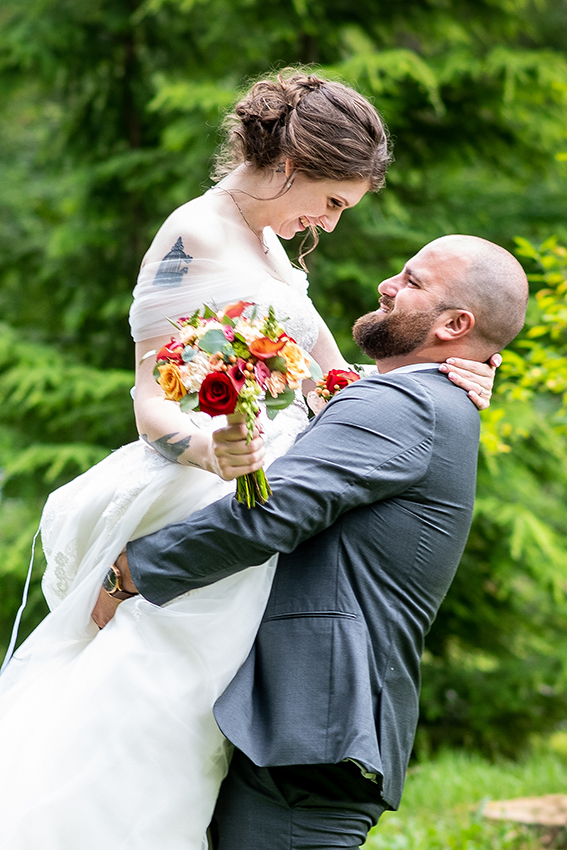
What 8 Hours Feels Like
This is where most weddings land.
Eight hours provide ample time for a complete and unhurried wedding day.
You can typically include:
getting ready
a first look
wedding party and family photos
ceremony
cocktail hour
reception moments
and a planned exit before coverage ends
If you’re still building your timeline, this will help you map it out step-by-step:
How to Build a Wedding Timeline That Actually Works
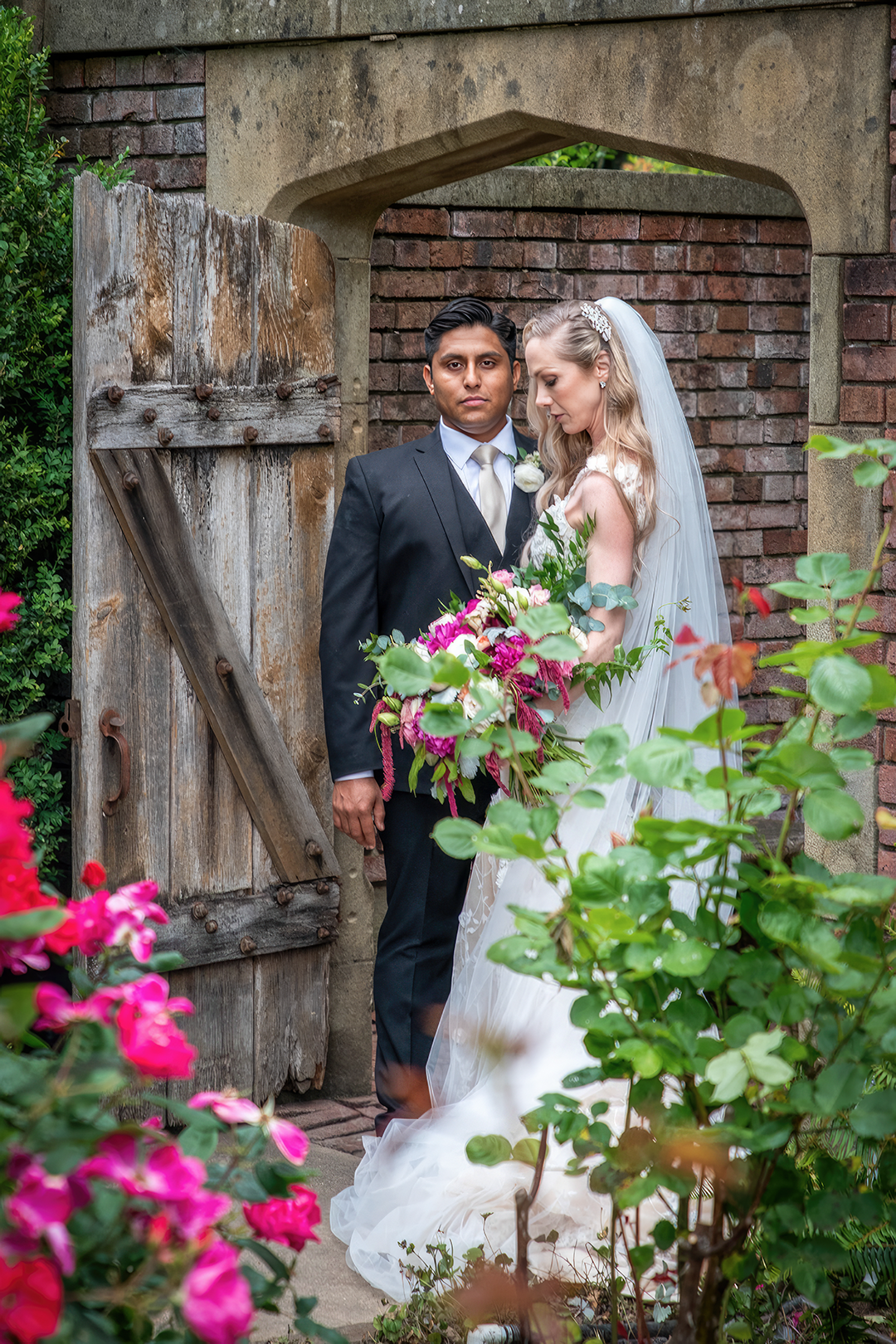
What 10+ Hours Feels Like
This is where everything slows down, and really, in the best way.
There’s no pressure to fit things in or move quickly.
You have time for:
a relaxed morning
multiple locations if needed for getting ready, family formals, the ceremony, or the reception.
breaks throughout the day
and a full reception without feeling like anything is being cut short
It’s not about adding more to the timeline.
It’s about giving everything the space it deserves.
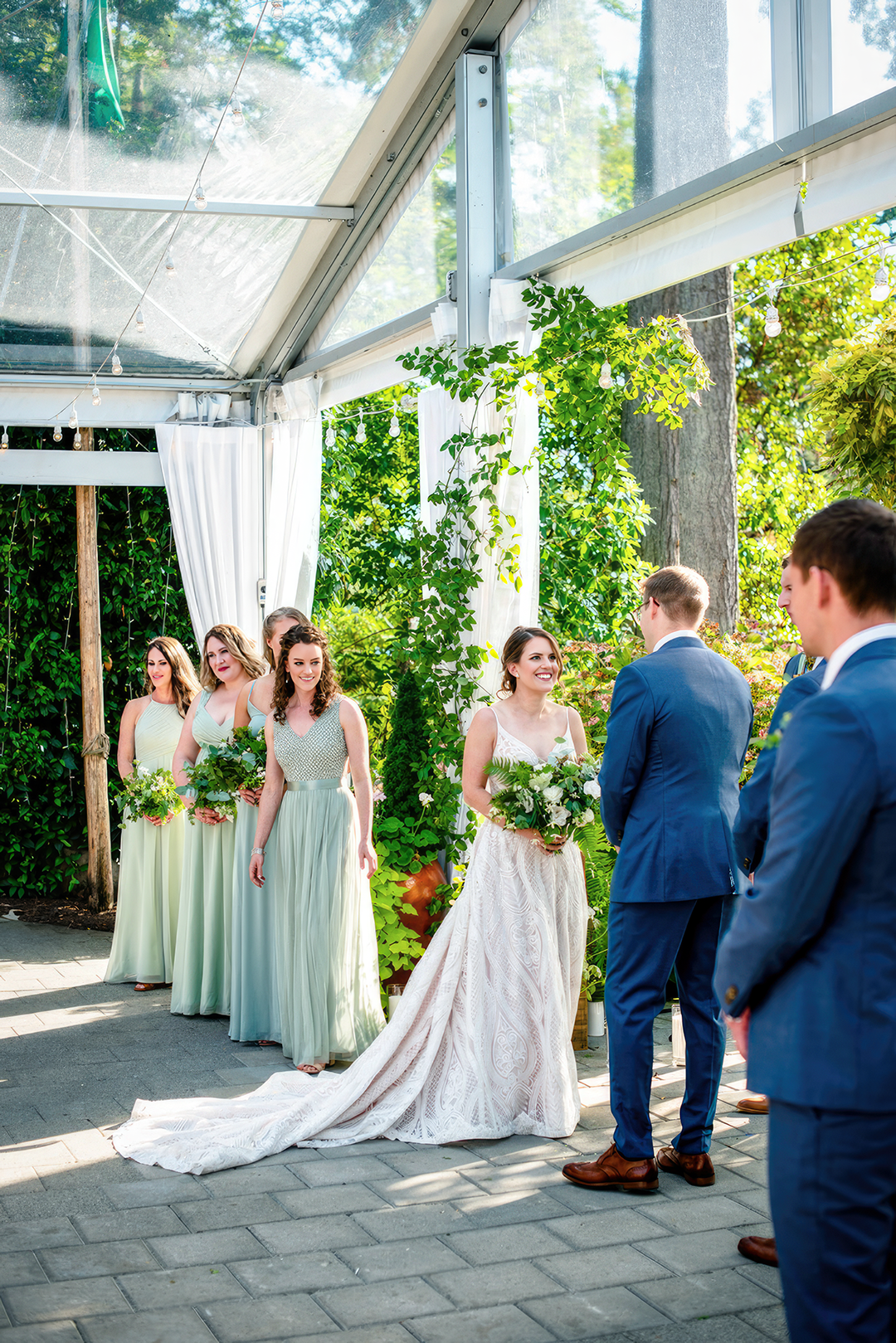
The Things That Actually Change How Much Time You Need
This is where most people underestimate things a little.
Your Locations
If you’re getting ready, having your ceremony, and hosting your reception in different places, that travel time adds up fast. Depending on when and where these locations are from each other, the time to travel will impact your day.
Whether You’re Doing a First Look
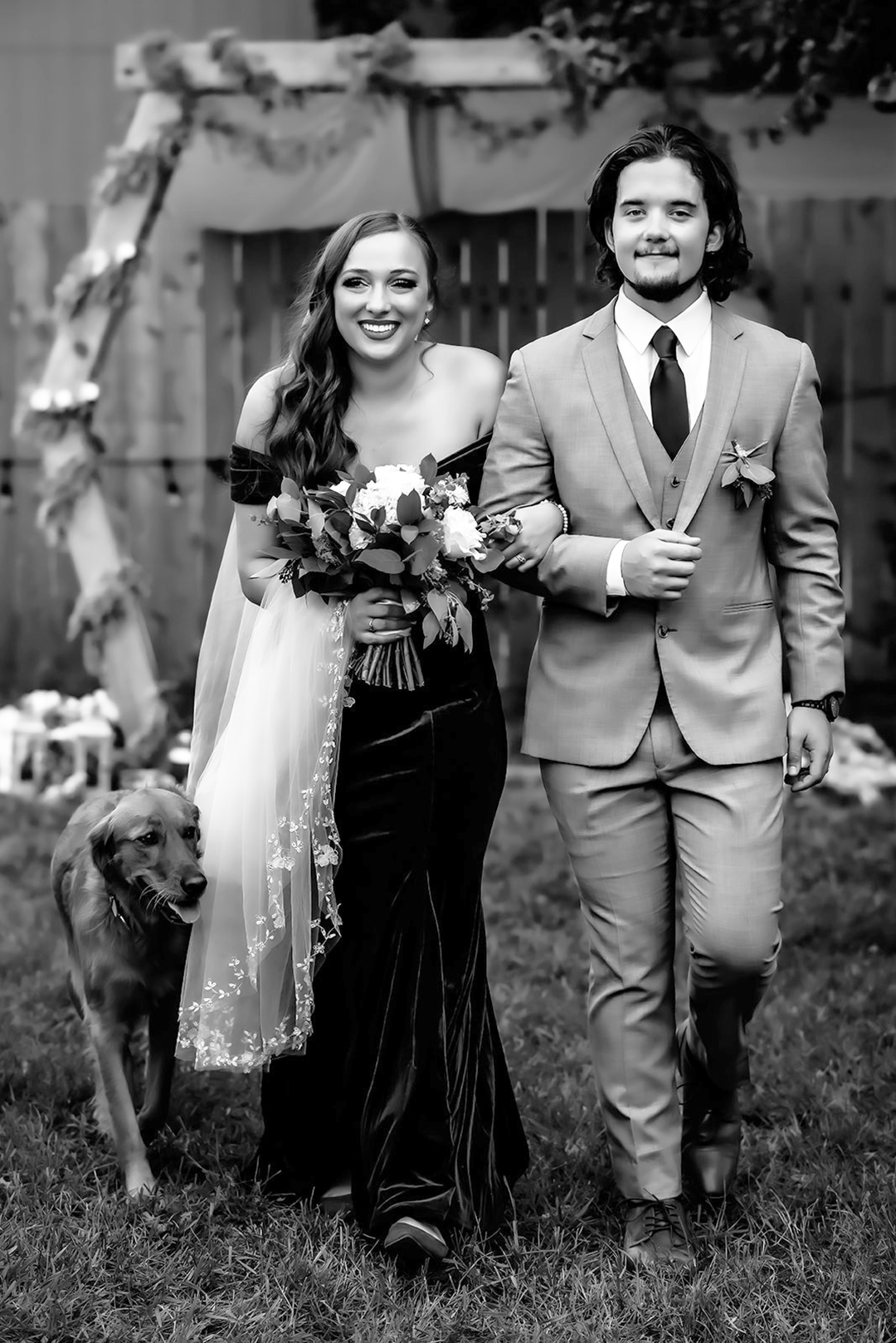
Whether You’re Doing a First Look
Choosing whether or not to do a first look has a big impact on how your timeline flows.
When you do a first look, it opens up your day. You’re able to get most of your portraits, wedding party photos, and even some family photos done before the ceremony, which creates a much more relaxed pace overall.
If you decide to wait until the ceremony to see each other, everything involving both of you—especially family formals—needs to happen afterward. That part of the day can feel a little tighter because there’s more to fit in during a shorter window.
It’s absolutely doable. It just means your timeline needs a bit more space to support it.
You can still complete any photos that don’t require both of you beforehand, but the overall flow of the day will feel different.
Your Family Photo List
This category is a big one.
Each group takes about 3–5 minutes, and it adds up quickly.
If you have a longer list, you’ll need more time—or things start to feel rushed.
This is also where I see timelines fall behind the most. If you want to avoid that, I break it down here:
Common Wedding Timeline Mistakes (and How to Avoid Them)
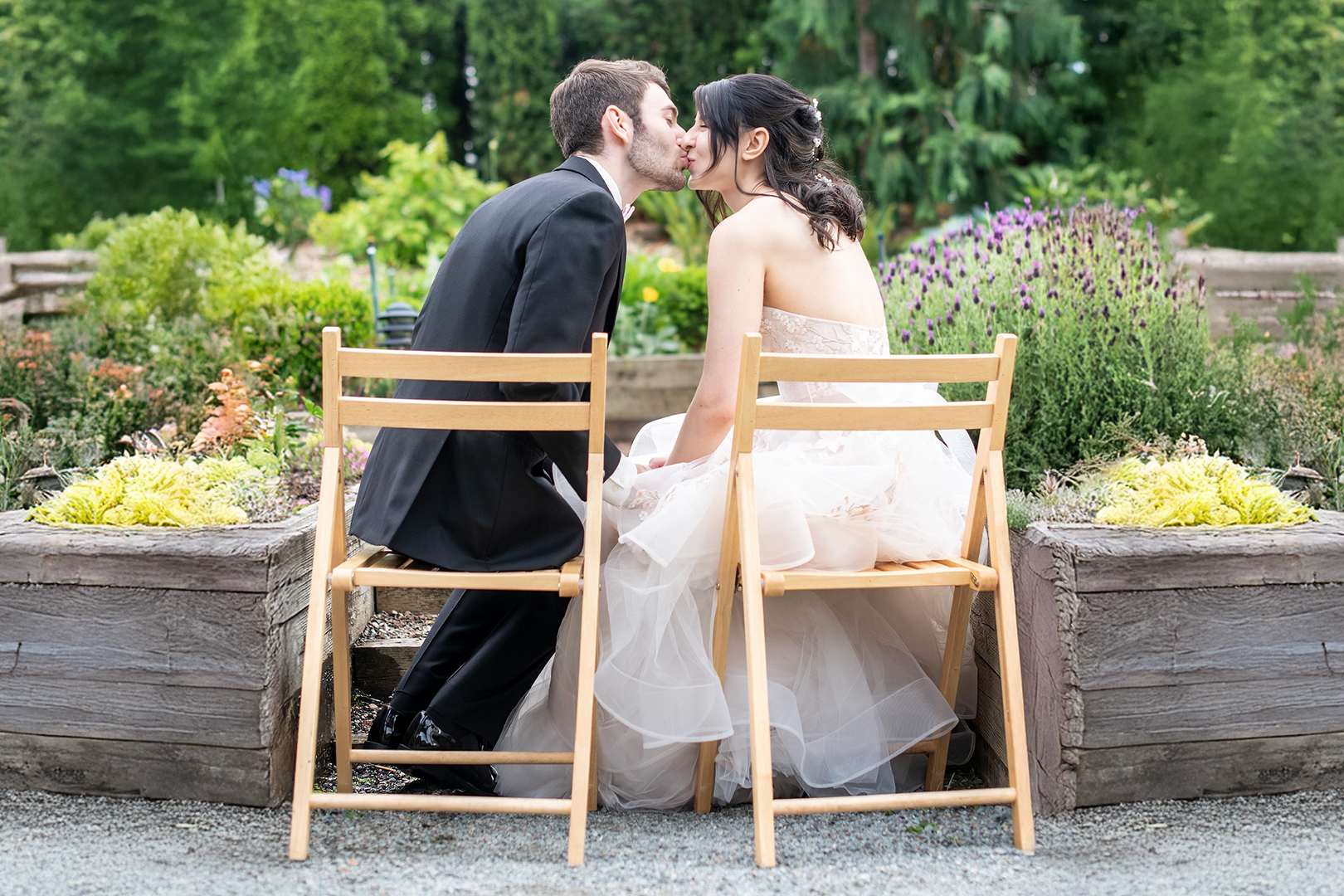
How You Want the Day to Feel
This is the part that matters most.
Do you want a day that feels calm and easy, where you can be present with your people?
Or are you okay with things moving quickly to fit everything in?
There’s no right answer, but your timeline should match that decision.
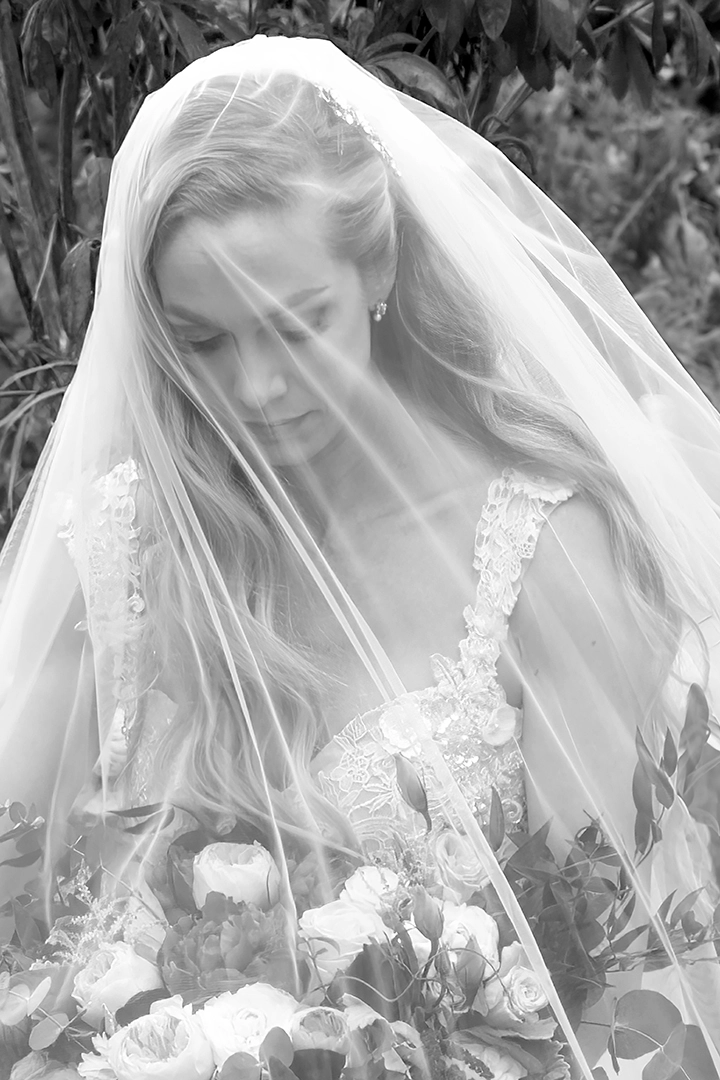
The Mistake I See Most Often
Choosing coverage based on what seems “enough”… instead of what actually supports the day.
It’s easy to think, “We’ll make it work.”
But that usually means:
cutting things close
feeling rushed in moments that matter
or having to skip parts of the day altogether
And that’s the part couples don’t realize until they’re in it.
A Better Way to Think About It
Instead of asking how many hours you need…
Ask yourself:
“How do we want our wedding day to feel?”
From there, the right amount of time becomes much clearer.
My Honest Recommendation
For most full wedding days, eight hours is a solid starting point.
If you want a more relaxed pace or something that feels a little more effortless, ten hours gives you that space.
And if you’re not sure, this is something I can help you figure out.
Because your timeline and your coverage should work together, not against each other.
If You’re Planning Your Timeline
If you haven’t built your timeline yet, start here:
How to Build a Wedding Timeline That Actually Works
And if you want to see how that looks when it all comes together:
A Real Wedding Day Timeline
This is something I walk all of my couples through, so you’re not guessing, and nothing feels rushed or forced.
If you want help creating a day that actually feels like yours: