
PHOTOGRAPHY
For Photographers Who Want More
Wedding Photography Resources, Timelines & Tools for Photographers
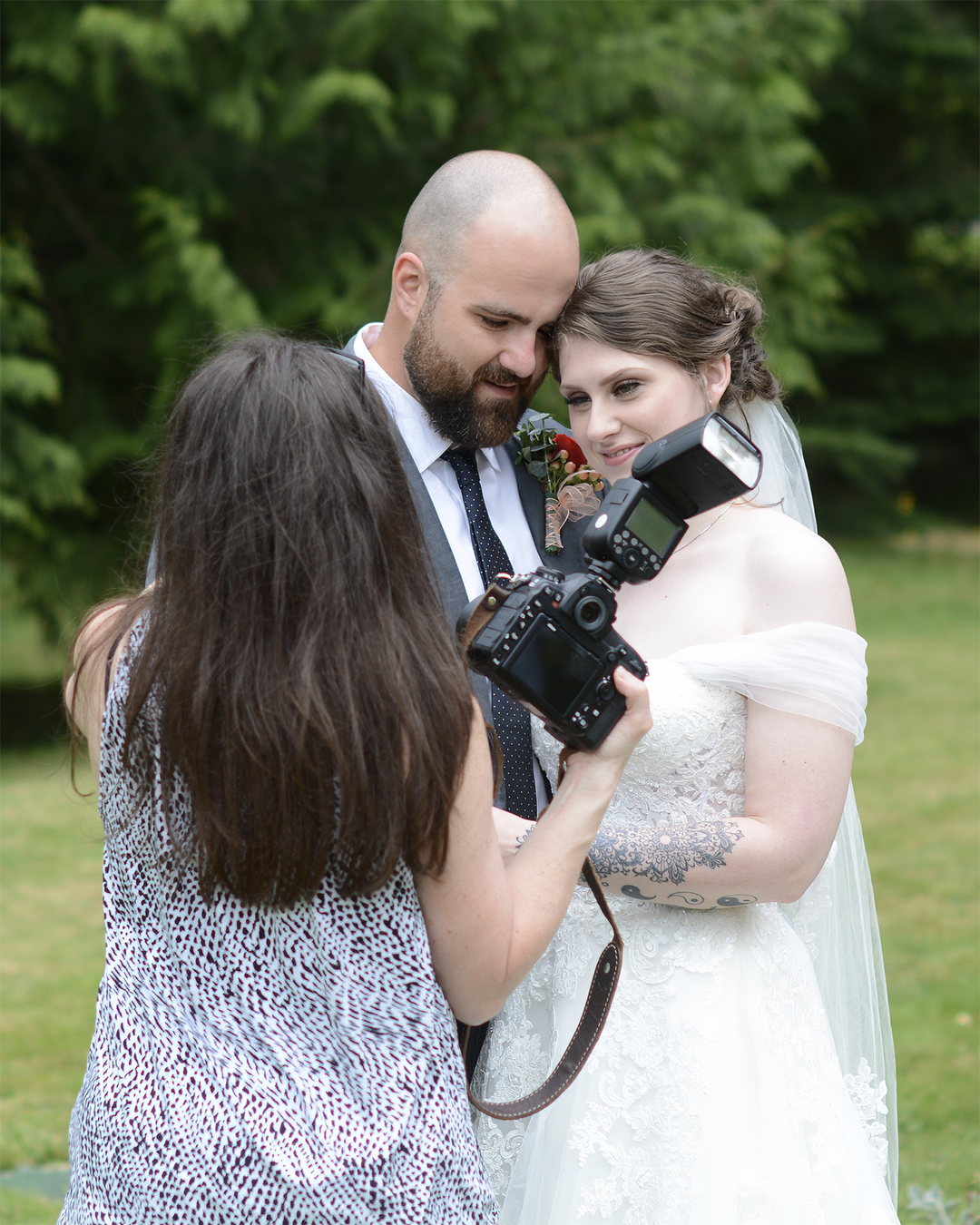
There’s a difference between knowing how to take photos and photographing a wedding with confidence, clarity, and consistency.
After years of photographing weddings, I’ve found that what truly sets you apart isn’t just your camera or your presets.
It’s how you see.
How you lead.
And how you create an experience your clients will remember long after the wedding day is over.
This space is for photographers who want more... more intention, more clarity, and a more refined approach to their work.
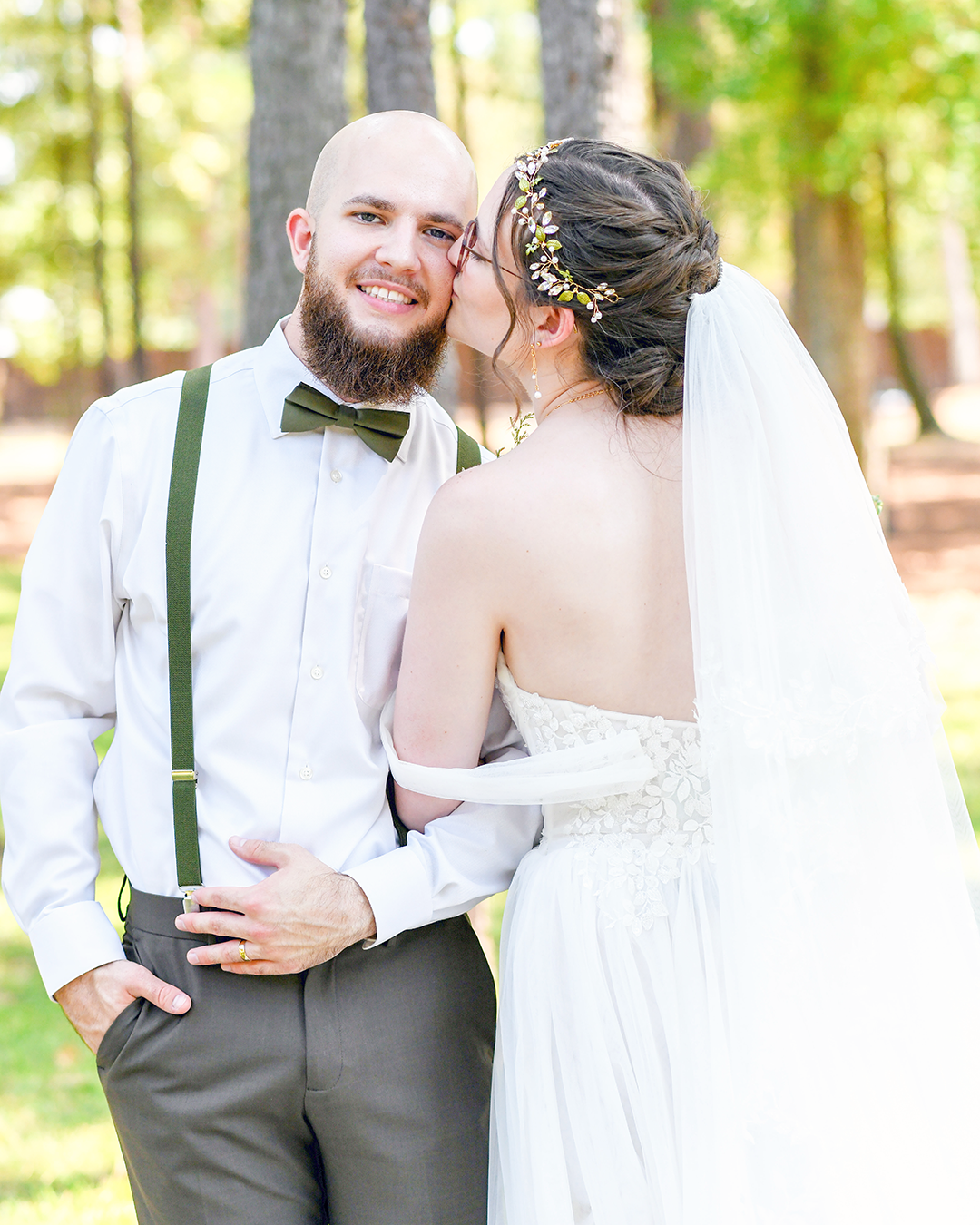
Where to Start: Wedding Photography for Beginners
If you’re new to wedding photography or ready to refine your process, these are the foundations that matter most.
How to photograph a wedding from start to finish
How to build a wedding photography timeline that actually works
What equipment do you really need to shoot your first wedding
How to prepare for your first wedding shoot with confidence
How to calculate your cost of doing business as a photographer
These are not generic tips.
These are real systems built from photographing hundreds of weddings.
How to Build a Wedding Photography Timeline That Works
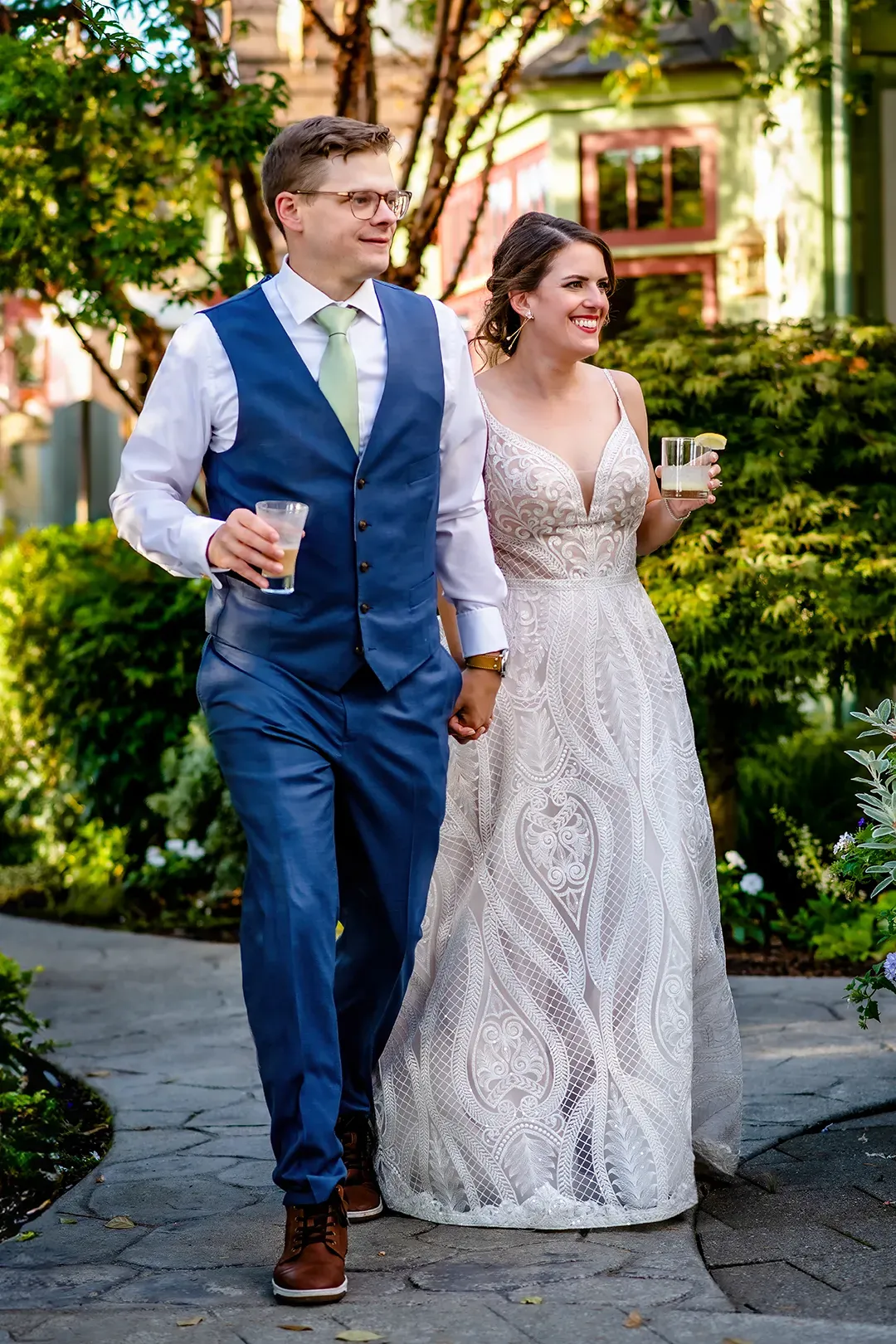
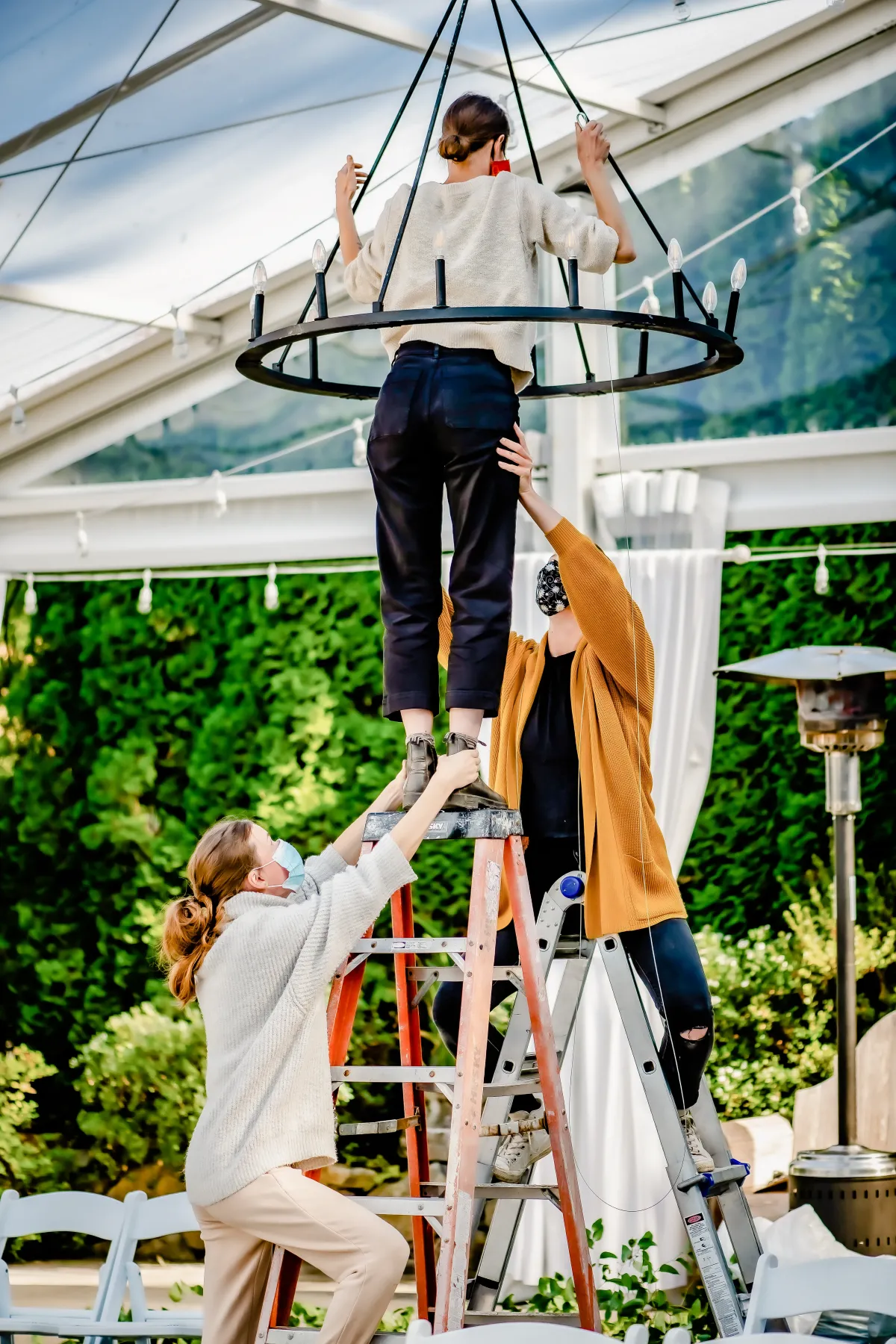
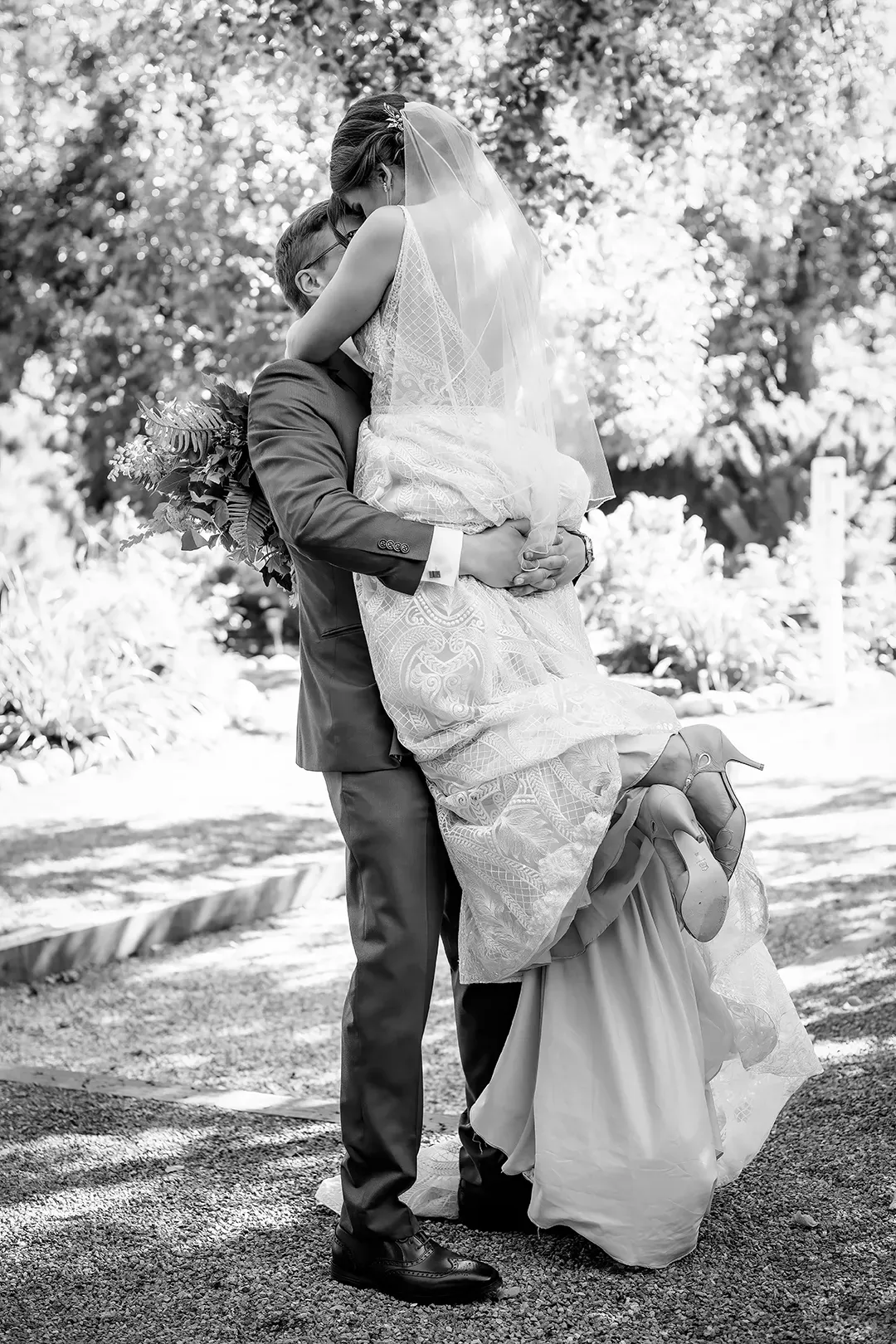
One of the most searched questions is "How do you create a wedding photography timeline?"
The truth is, most timelines fail because they don’t account for real-life delays, lighting changes, and how a wedding day actually flows.
A strong timeline should:
Build in buffer time (without feeling rushed)
Prioritize lighting for key moments
Keep the day moving while still allowing space for connection
If your timeline works, everything else becomes easier, from portraits to candid moments to staying on schedule.
What Equipment Do You Need to Shoot a Wedding?
You don’t need everything. You need the right things.
For most wedding photographers, a strong starting point includes:
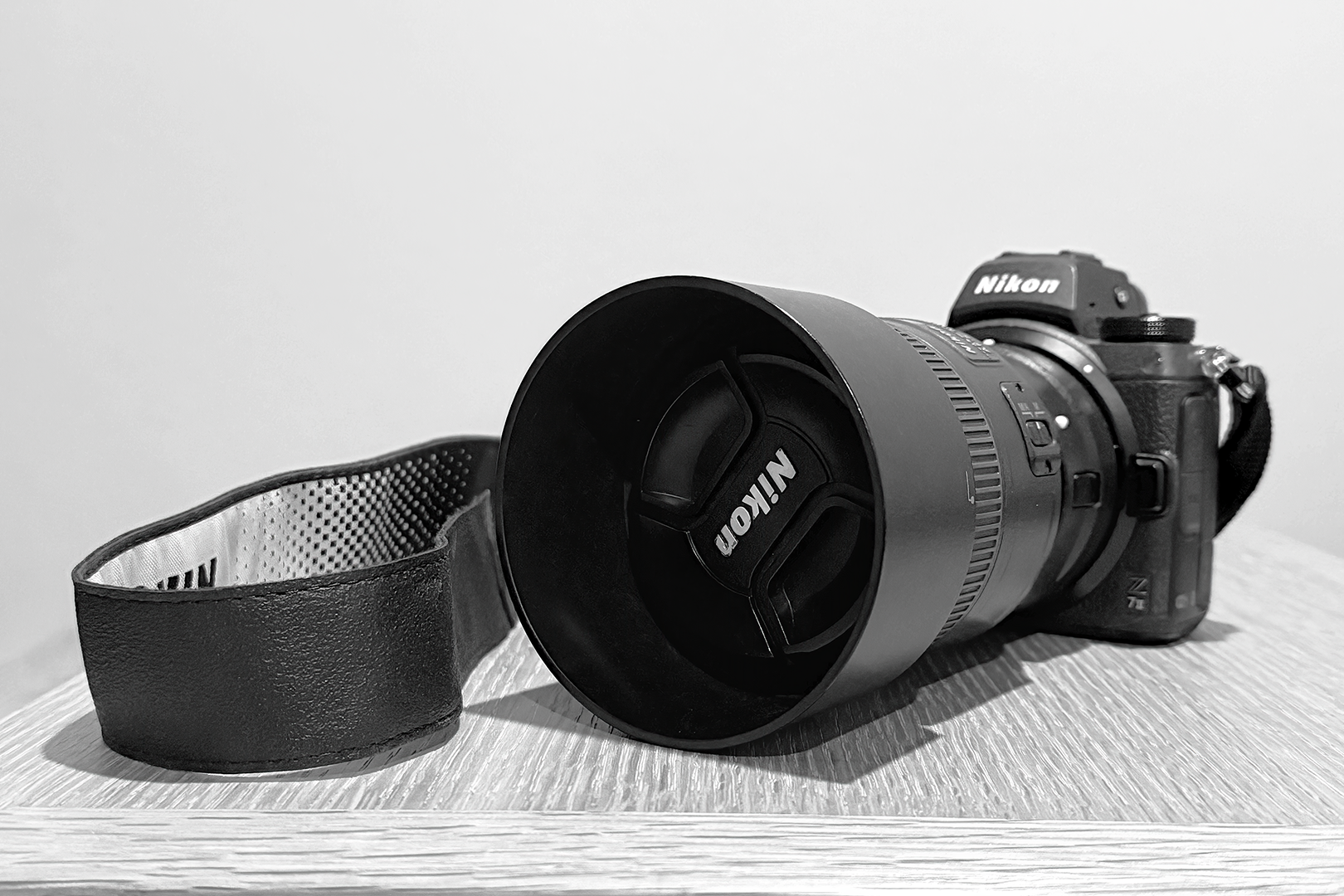
Two camera bodies (even if you have to rent one)
A 35mm and 85mm lens (or similar focal range)
Extra batteries and dual memory cards
Reliable lighting for low-light situations
What matters more than gear is knowing how to use light intentionally and adapt when it changes.
How Much Memory Do You Need for an 8-Hour Wedding?
This is one of the most common questions for new photographers.
For an 8-hour wedding day, most photographers will use:
2–4 memory cards (64GB–128GB each), depending on file size and shooting style
Always:
Shoot on dual cards if possible
Rotate cards throughout the day
Never rely on a single card
This isn’t just about storage—it’s about protecting your work.
Always back up your files in two or three places right away, and keep your original cards until your gallery is fully delivered.
Real Wedding Breakdowns (What Actually Happens)
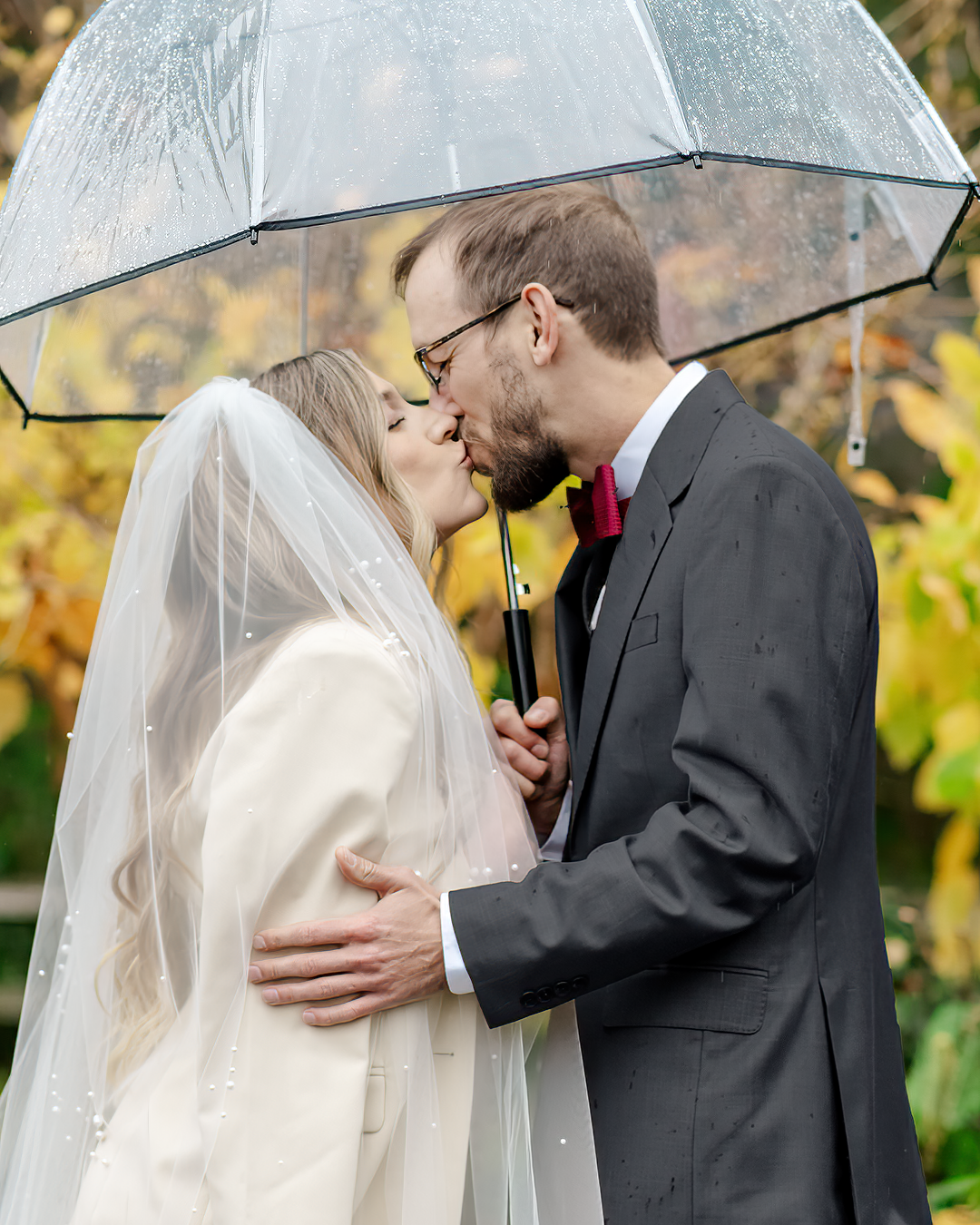
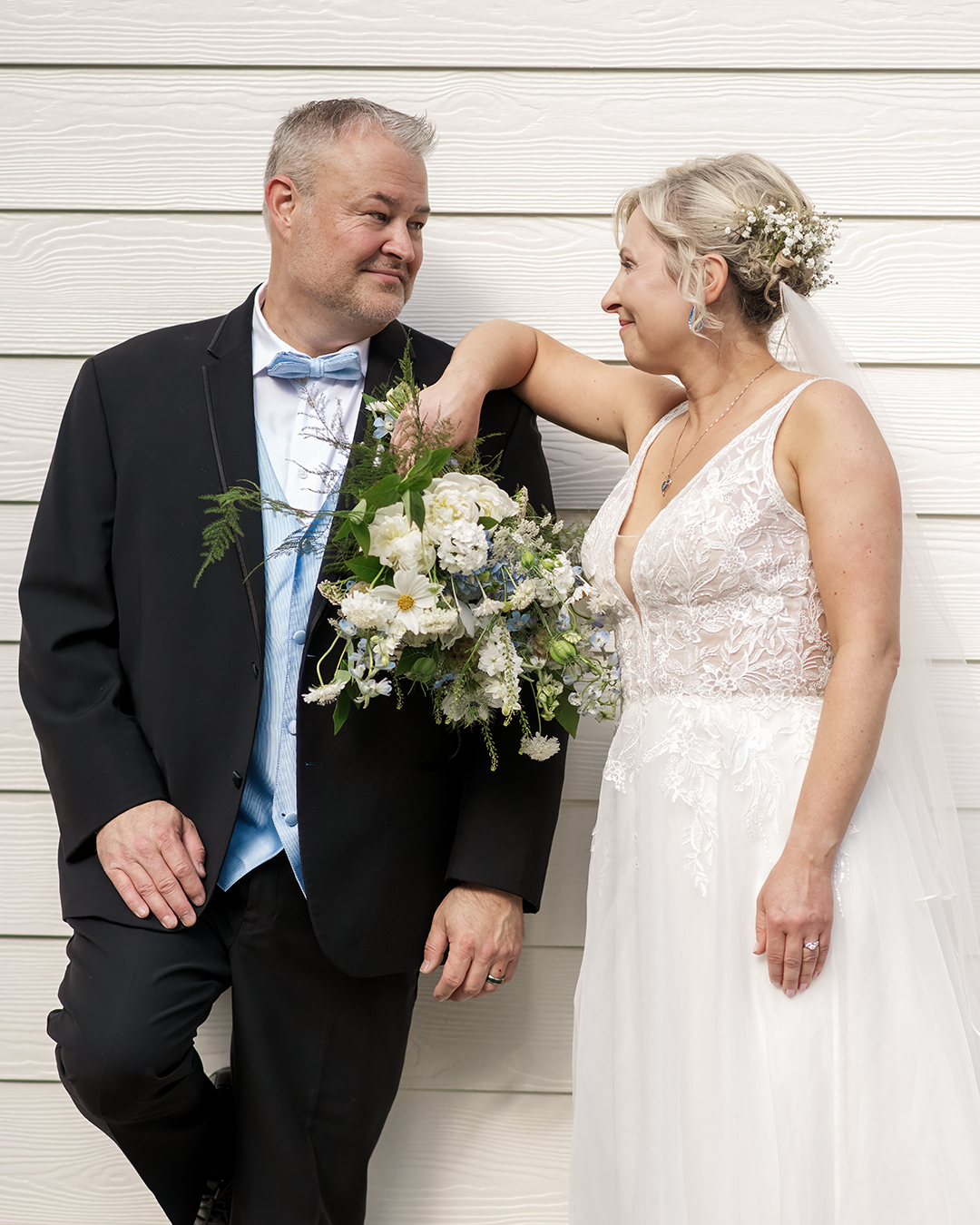
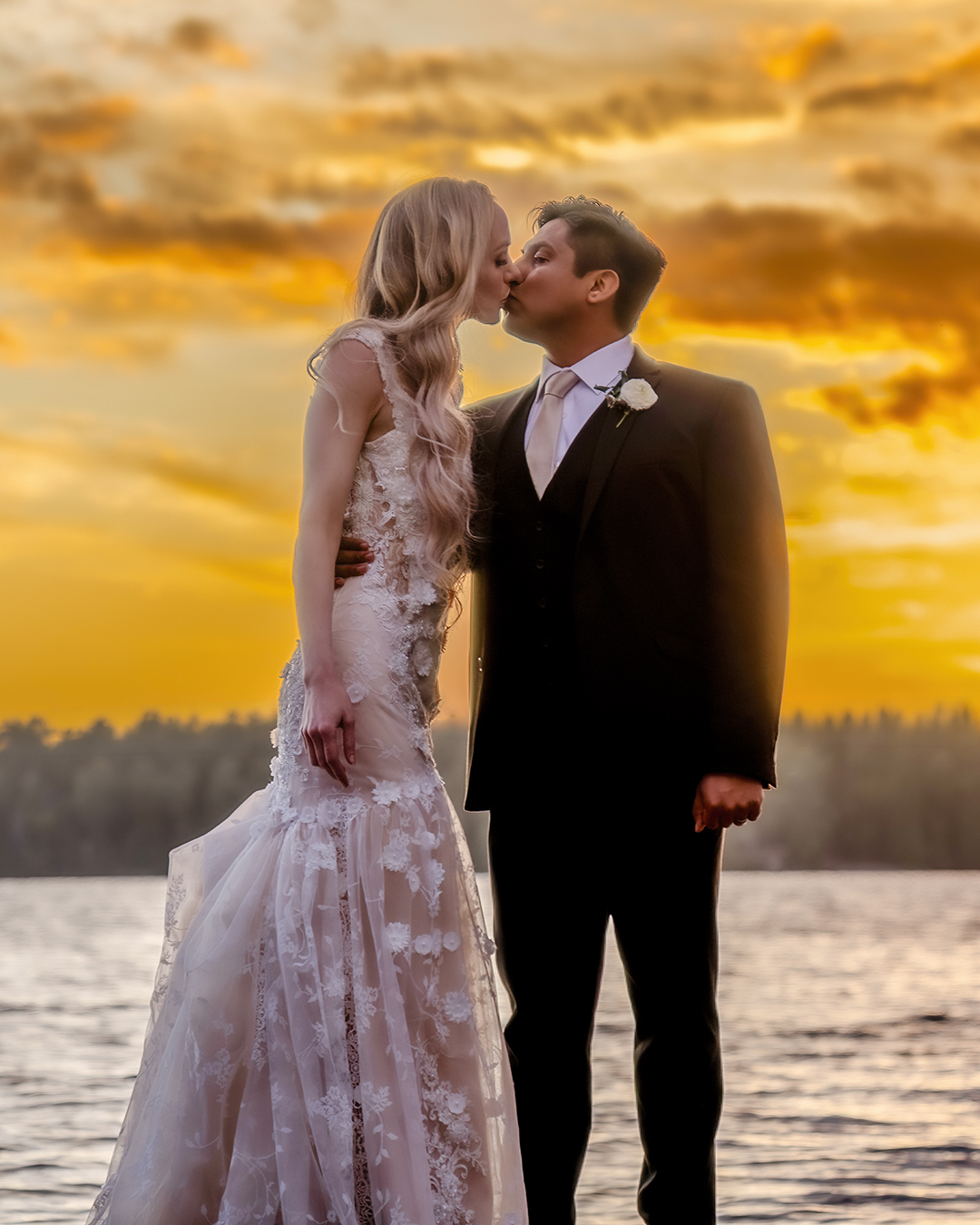
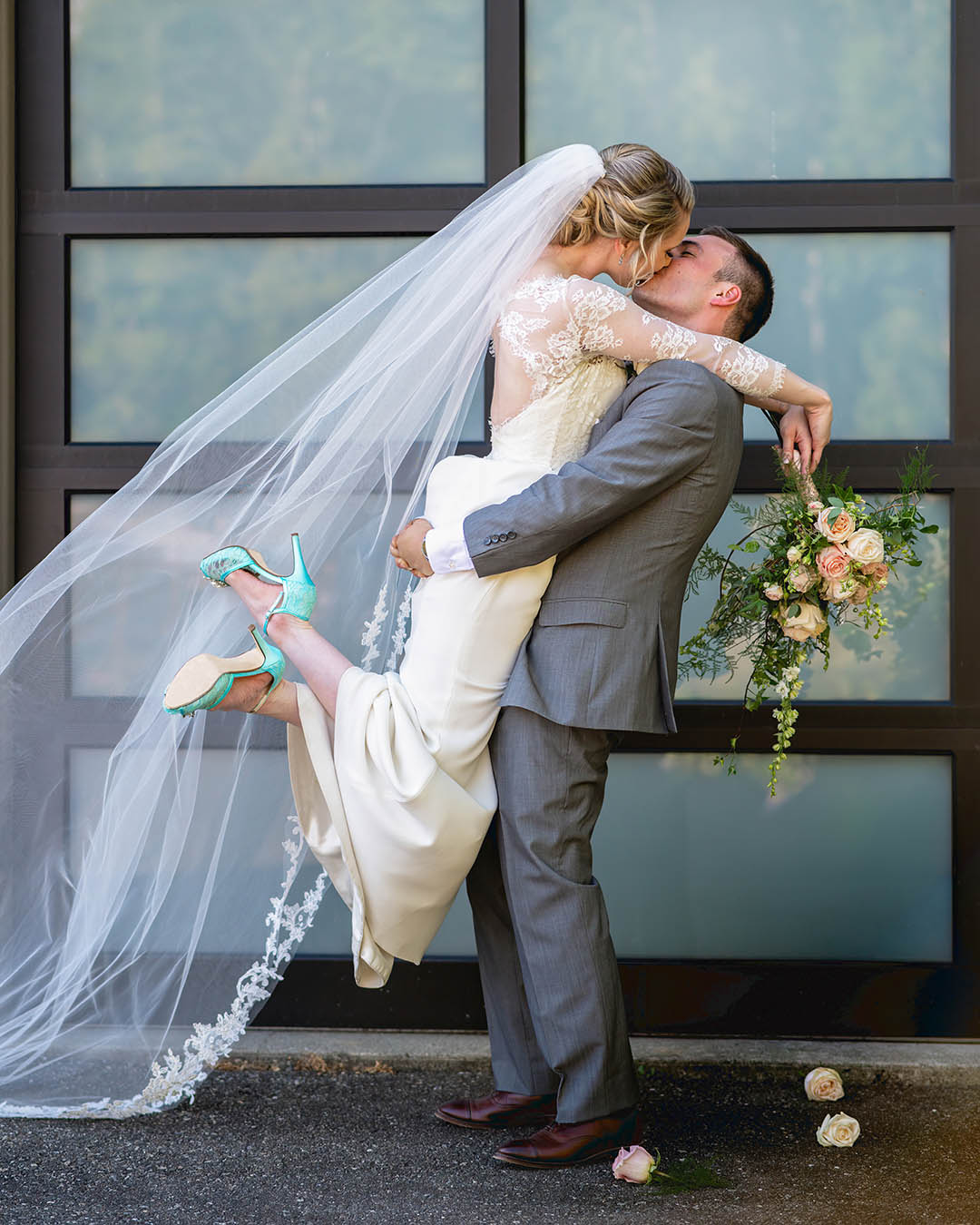
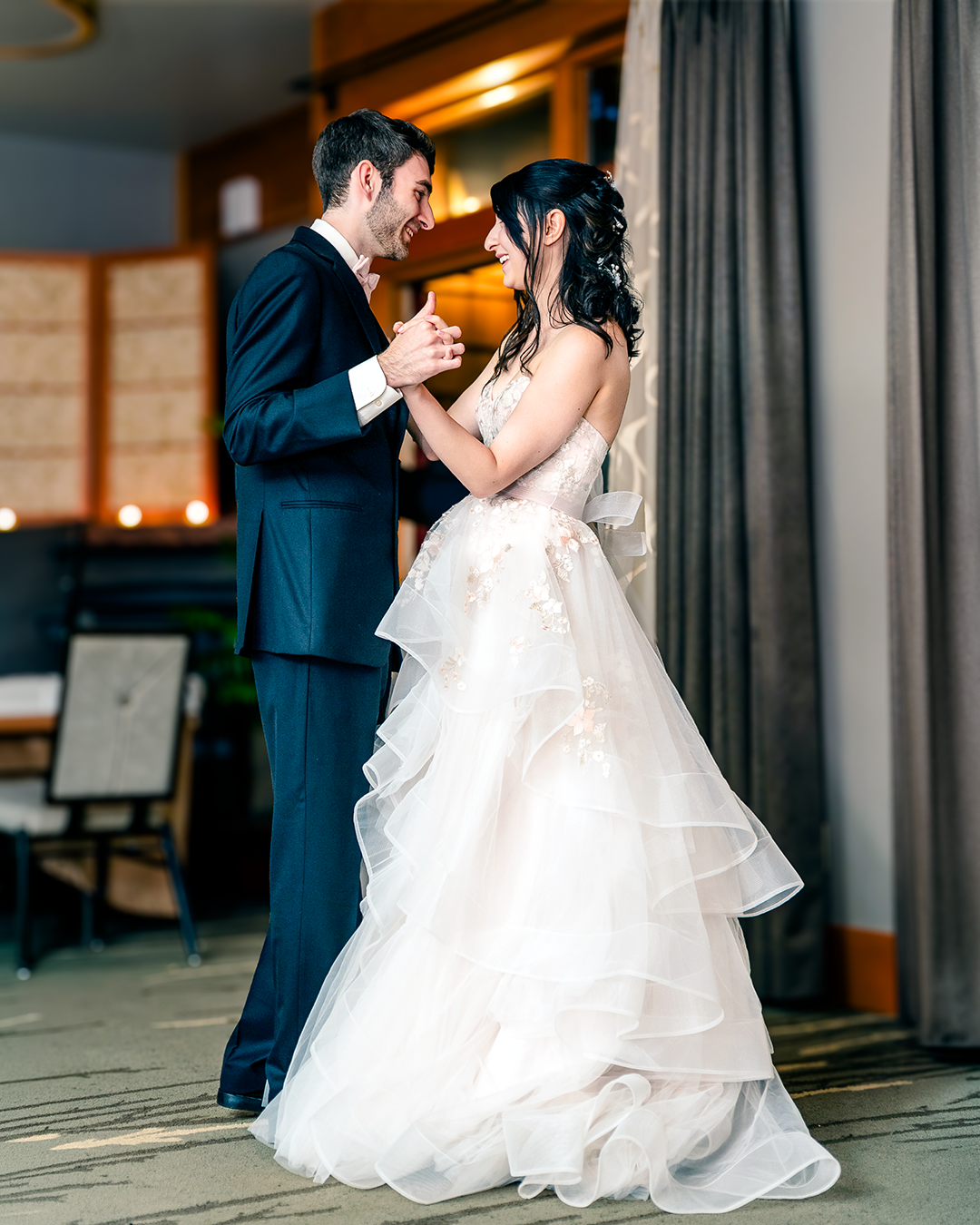
Most education shows perfect conditions.
Real weddings don’t work that way.
Inside my wedding breakdowns, I walk through the following:
The actual timeline we used
The lighting conditions we had to work with
What shifted during the day
How I adapted in real time
Because learning how to photograph a wedding isn’t about perfection, it’s about knowing what to do when things don’t go as planned.
How to Edit Wedding Photos for a Timeless Look
Editing for consistency, not trends
Before & After
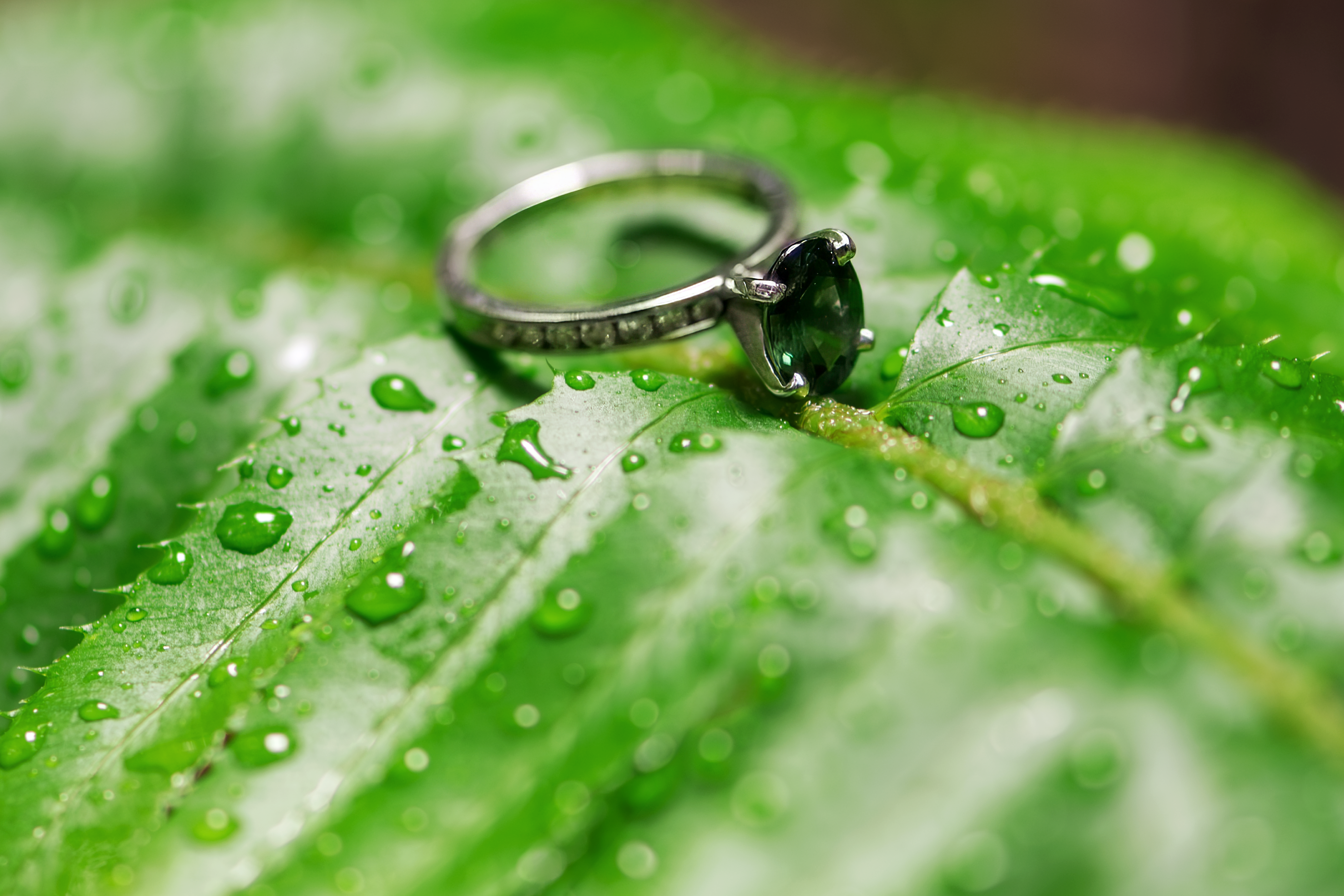
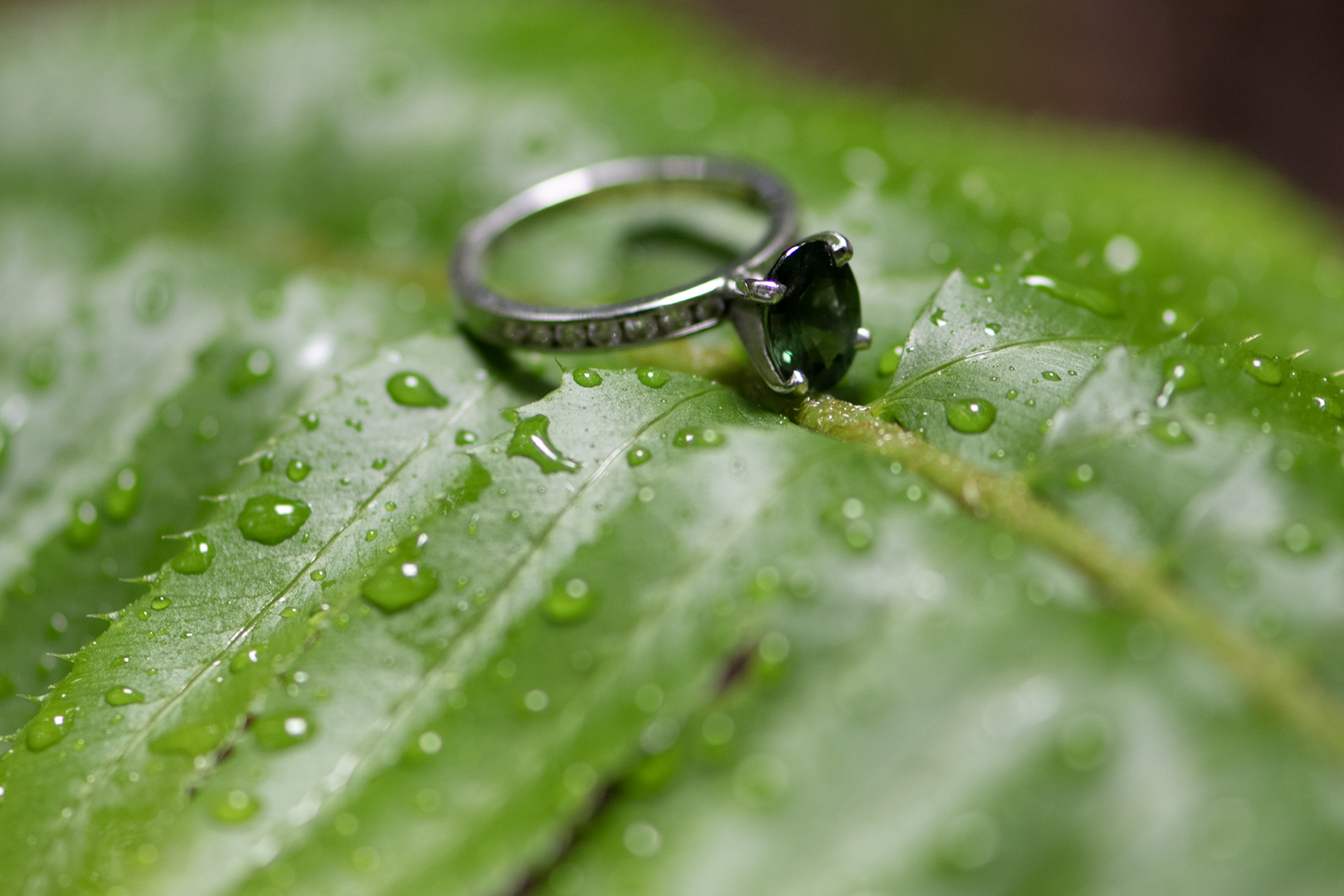
Trends in editing change quickly.
Your work shouldn’t feel tied to something that fades.
My approach to editing focuses on:
True-to-life color
Soft, natural light
A clean and consistent gallery
If you’re learning how to edit wedding photos, focus on consistency over style trends. That’s what creates a body of work that lasts.
How to Price Wedding Photography (Without Guessing)
Understanding your cost of doing business as a photographer is essential if you want to grow sustainably, but this is where most photographers get stuck.
This includes:
Equipment costs
Software and subscriptions
Time spent shooting, editing, and communicating
Taxes and business expenses
Business insurance
But here’s what often gets overlooked:
Your time is not just the wedding day.
It’s the emails, the timeline guidance, the editing, and the client experience you provide from start to finish.
Your pricing should reflect the business you’re building—not the market you’re comparing yourself to.
Because pricing based on what others charge will always keep you guessing.
Pricing based on your actual cost of doing business?
That’s what creates consistency, confidence, and a business that lasts.
For the Photographer Behind the Camera
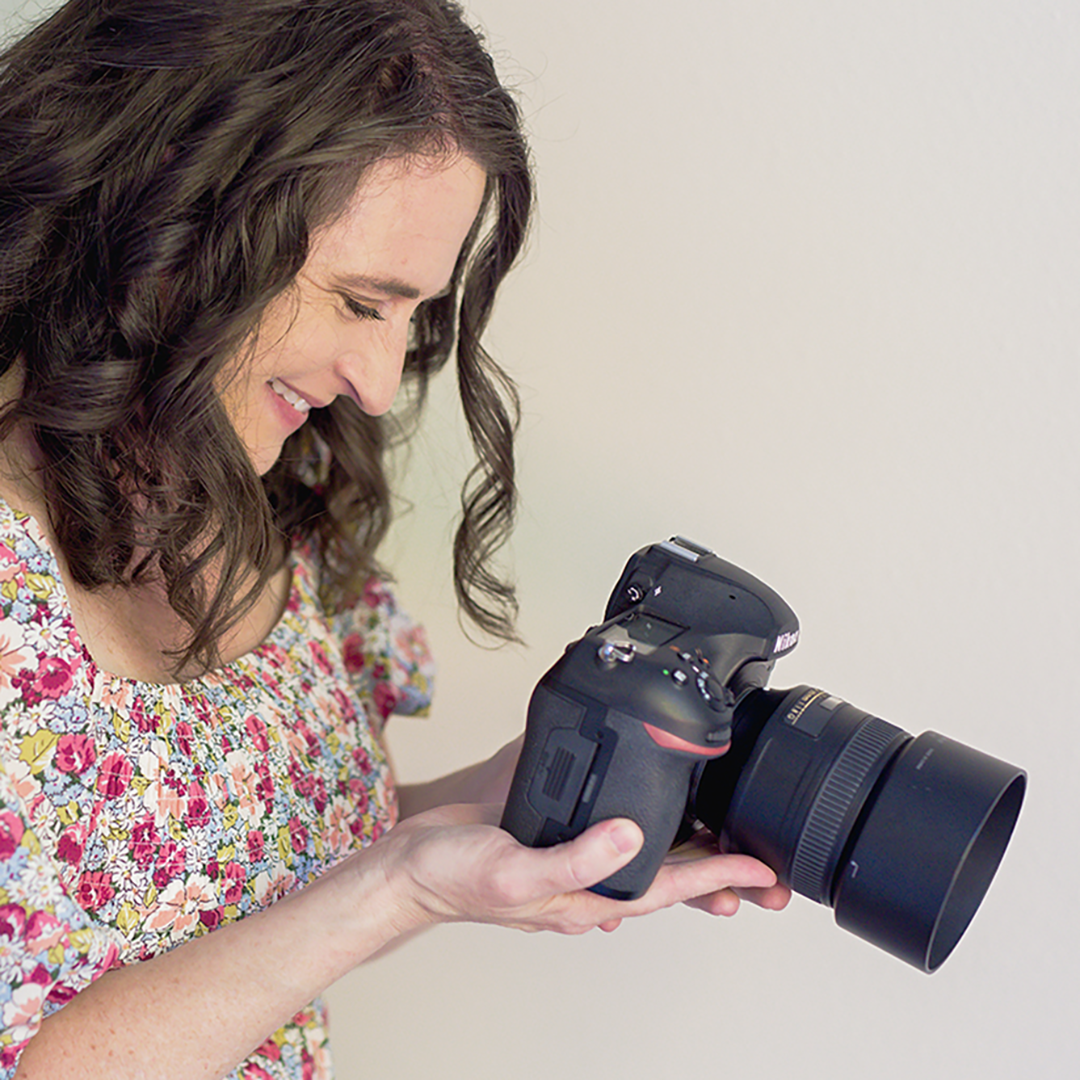
There’s more to wedding photography than taking photos.
It’s knowing how to:
Lead a wedding day timeline with calm confidence
Direct people in a way that feels natural
Build trust with your clients and vendors
Create space for real, unscripted moments
This is what elevates your work and your client experience.
Wedding Photography Resources & Tools
These are the tools I’ve created based on real wedding experience.
Wedding Day Timeline Template
A proven timeline designed to keep wedding days flowing smoothly, without rushing or missing key moments.
Editing & Culling Services for Photographers
Outsource your editing and culling to save time, stay consistent, and deliver polished galleries.
1:1 Mentorship for Wedding Photographers
Personalized guidance to help you refine your workflow, improve your photography, and grow your business with clarity.
VA Services, Workflow & Client Experience Support
Ongoing, behind-the-scenes support designed to bring structure to your business—from inquiry to gallery delivery—so everything runs seamlessly without you doing it all yourself.
The Business Tools I Actually Use
Behind every polished client experience is a collection of systems working quietly in the background. Over the years, I have intentionally refined my workflow, choosing tools that simplify the behind-the-scenes side of business while still allowing space for creativity, connection, and a more elevated client experience.
These are the platforms I use personally within my own photography business and consistently recommend to other photographers looking to create a more sustainable and streamlined workflow.
Choozie
Choozie has become the central hub of my photography business and one of the most powerful tools I use behind the scenes. Beyond website design, it manages my CRM, workflows, contracts, payments, email marketing, funnels, automation, social media scheduling, blogging, SEO, and client communication all in one place.
Instead of juggling multiple disconnected platforms, Choozie allows me to create a more seamless, elevated experience for both myself and my clients while keeping every part of my business connected and organized.
Pic-Time
My favorite gallery delivery platform for creating a refined and intentional client experience after the session. The storefront design, slideshow features, gallery organization, and print fulfillment feel elegant and polished while remaining incredibly easy for clients to navigate.
Aftershoot
One of the most valuable tools in my workflow for saving time behind the scenes. Aftershoot helps streamline culling and workflow preparation, allowing me to spend less time sorting files and more time focusing on storytelling, editing, and serving my clients well.
Libsyn
The hosting platform I use for my podcast, The Wedding Frame: Stories Behind the Lens. Libsyn has been reliable, straightforward, and easy to manage while making podcast distribution feel far less overwhelming behind the scenes.
I believe the best systems should support your creativity rather than compete with it. The right tools create more space for consistency, artistry, organization, and meaningful connection with your clients.
These are the platforms that have helped me build a business that feels intentional, sustainable, and aligned with the experience I want my clients to have from beginning to end.
If You’re Ready to Elevate Your Wedding Photography
If you’re ready to stop guessing and start approaching wedding photography with clarity and confidence.
You’re in the right place.
Get In Touch
This space is designed for photographers who value clarity, consistency, and a refined client experience.
If that sounds like you, I’d love to learn more about what you’re building.
This isn’t about doing more.
It’s about doing the right things, in the right order, with clarity.
Thank you for taking the time to share this with me.
I review each inquiry with care and intention and will be in touch within 24–48 hours if it feels like a strong fit.
If we’re aligned, I’ll personally invite you to the next step, including a private link to schedule a consultation.
If this sounds like what you’ve been looking for, I’d love to hear more—just fill out the form below.
What kind of support are you looking for?
(Select all that apply)
What platforms are you currently using?
(Check all that apply)
My services are offered as structured packages or custom support.
Typically ranging from $350–$1500+.
For smaller or flexible projects, hourly support may be available.
If this sounds like what you’ve been looking for,
I’d love to hear more.
Just fill out the form to the left.
An Elevated Photographic Experience
for Refined Couples
SERVICE AREAS:
LET'S CONNECT


An Elevated Photographic Experience
for Refined Couples
NAVIGATION:
CONNECT:
SERVICE AREAS:




|
|
|
|