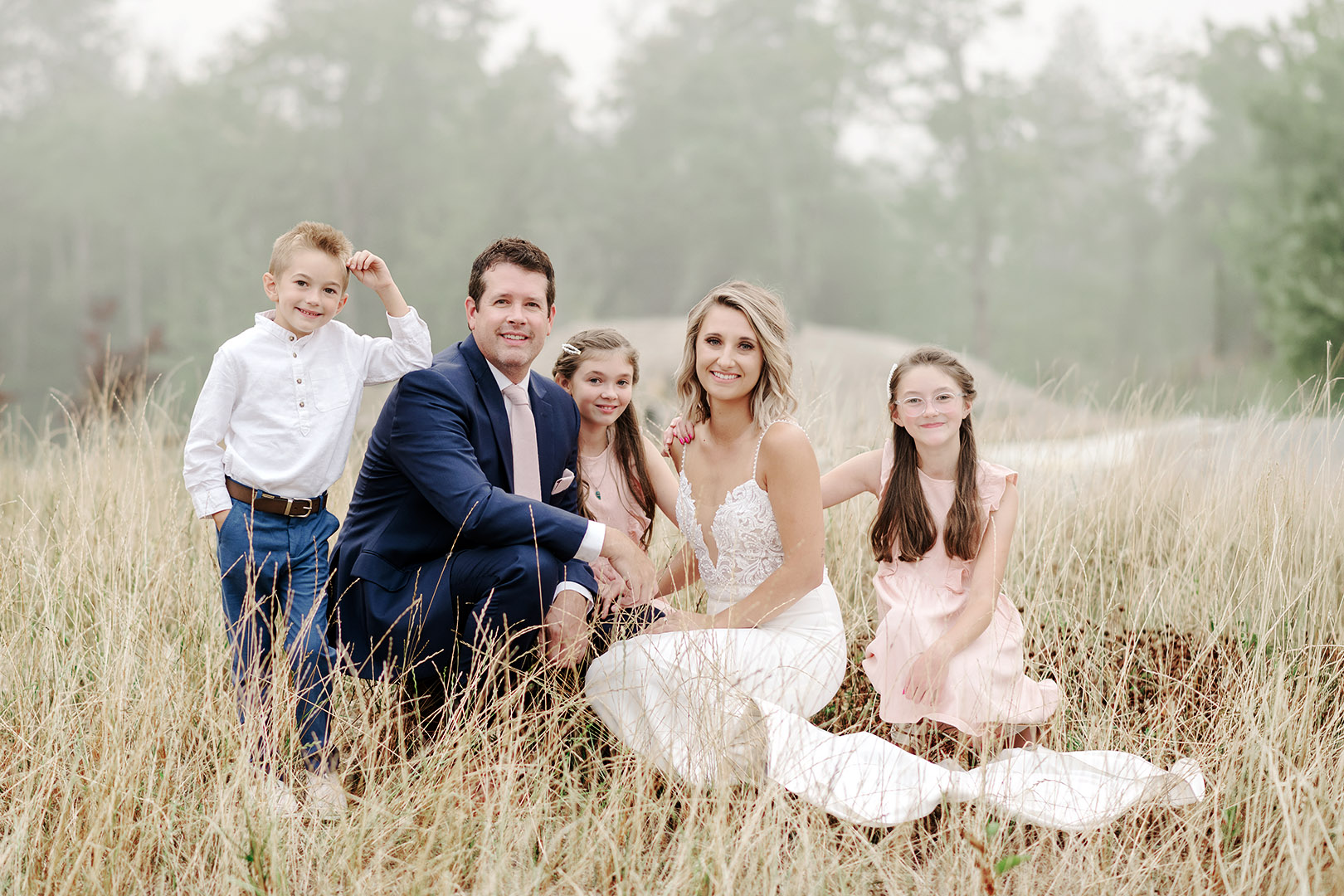
How to Build a Wedding Timeline That Actually Works
(From a Photographer Who’s Seen It All)
There’s a moment on almost every wedding day where time either feels effortless… or completely out of control.
The difference?
A well-built timeline.
Not just a list of times on paper, but a thoughtful, intentional plan that allows your day to breathe, unfold naturally, and give space for the moments you’ll actually remember.
After photographing 200+ weddings, I can tell you this: your timeline isn’t just logistics; it’s the foundation of your entire experience.
As a wedding photographer, I’ve seen how timelines can either create a calm, intentional experience or completely unravel a day.
Let’s walk through how to build one the right way.
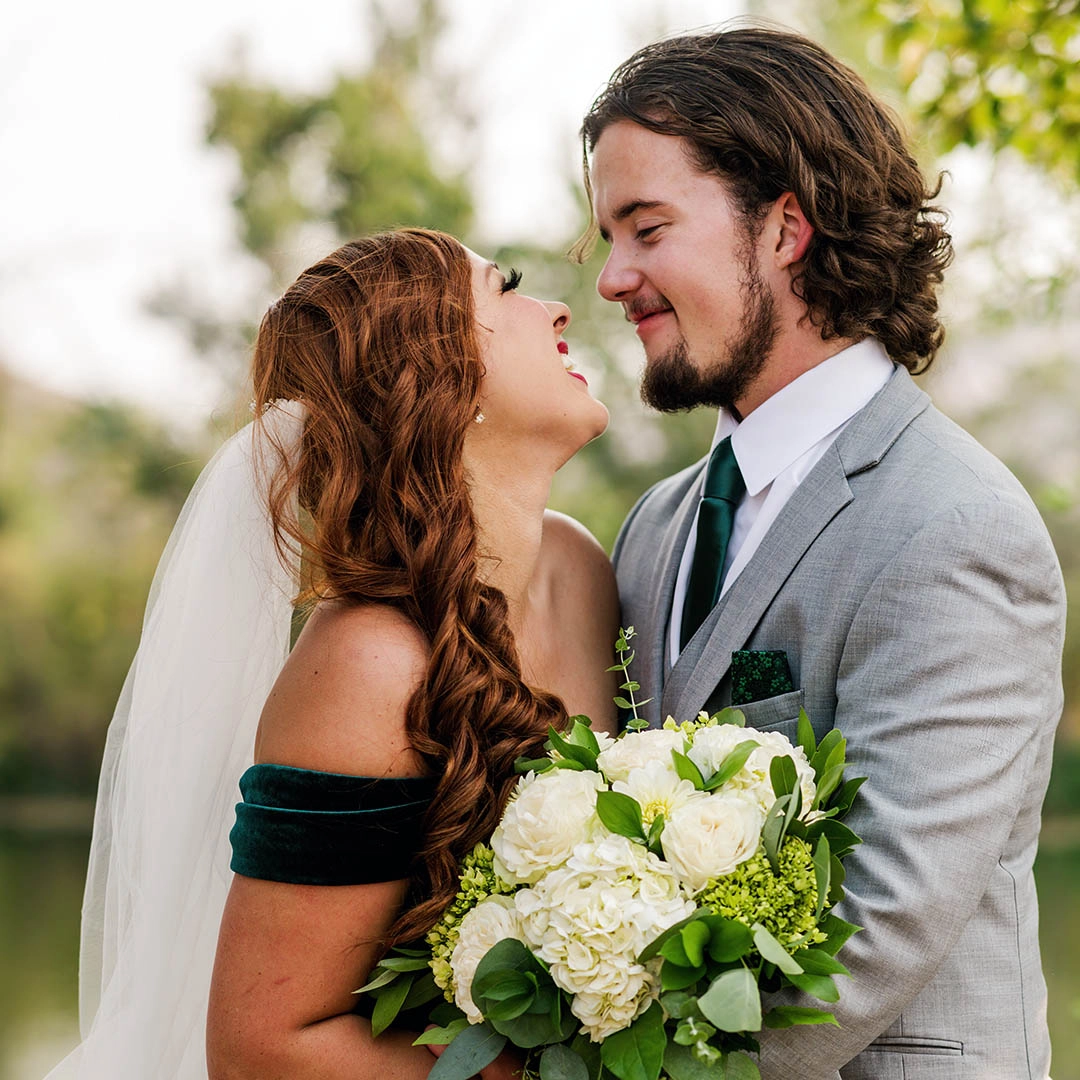
Start With What Matters Most (Not the Clock)
Before you think about timing, ask yourselves:
What moments matter most to us?
What do we want our day to feel like?
Where do we want to slow down?
For some couples, it’s a private vow exchange.
For others, it’s cocktail hour with their guests.
For many, it’s simply not feeling rushed.
Your timeline should reflect your priorities, not a generic template.
Build Your Timeline Backwards
The biggest mistake couples make? Starting at the beginning.
Instead, anchor your timeline with fixed points:
Ceremony time
Cocktail hour
Reception events (toasts, dances, etc.)
From there, work backwards to map out:
When you need to be dressed
When photos should begin
When vendors need access
This creates a natural flow instead of a forced one.
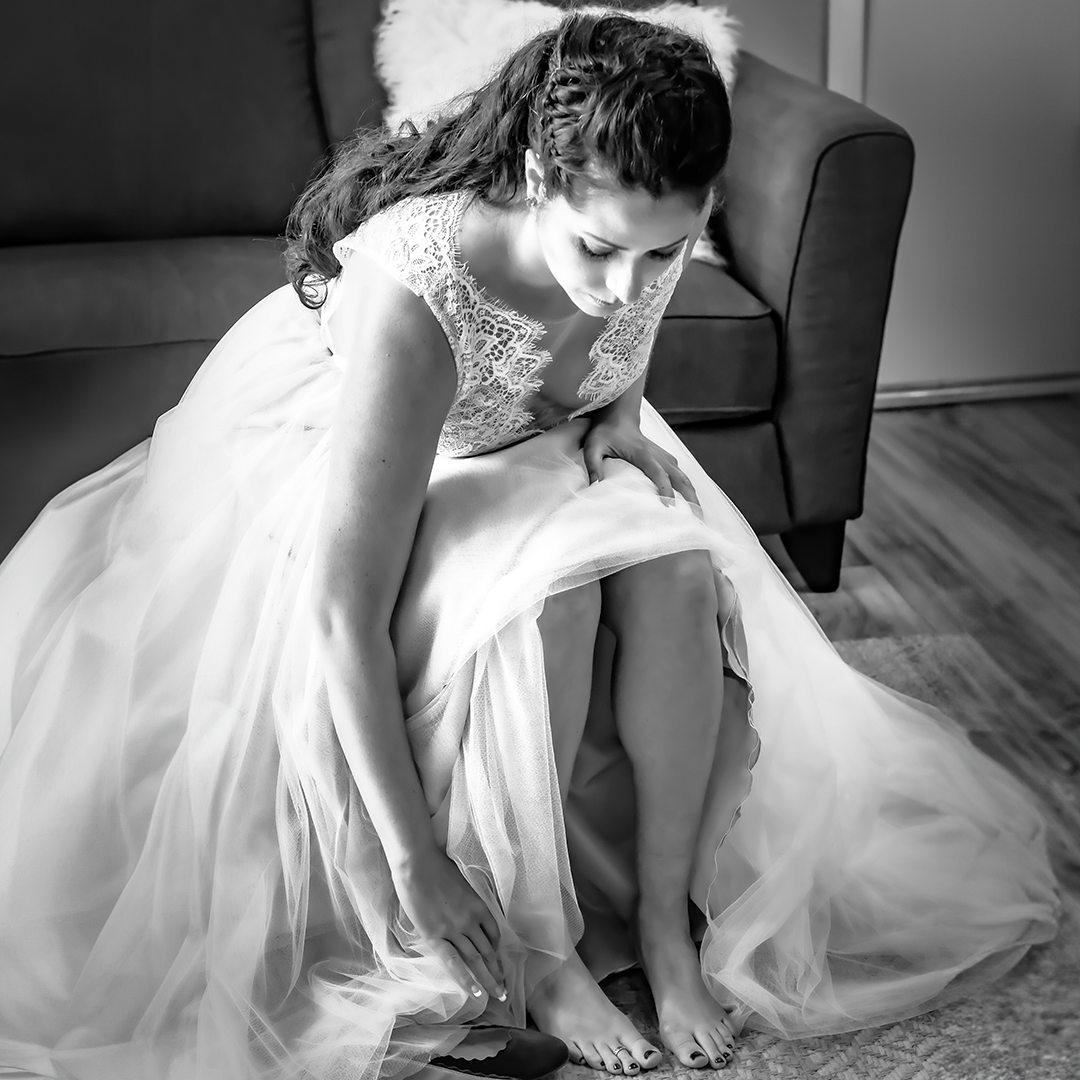
The Getting Ready Window (Where the Day Begins)
This is where the tone of your entire day is set.
I typically recommend:
2–3 hours of coverage for getting ready
Buffer time for delays (because they will happen)
A clean, well-lit space (this matters more than you think)
This is also when some of the most emotional, candid moments happen—letters, laughter, quiet anticipation.
Rushing this part changes everything.
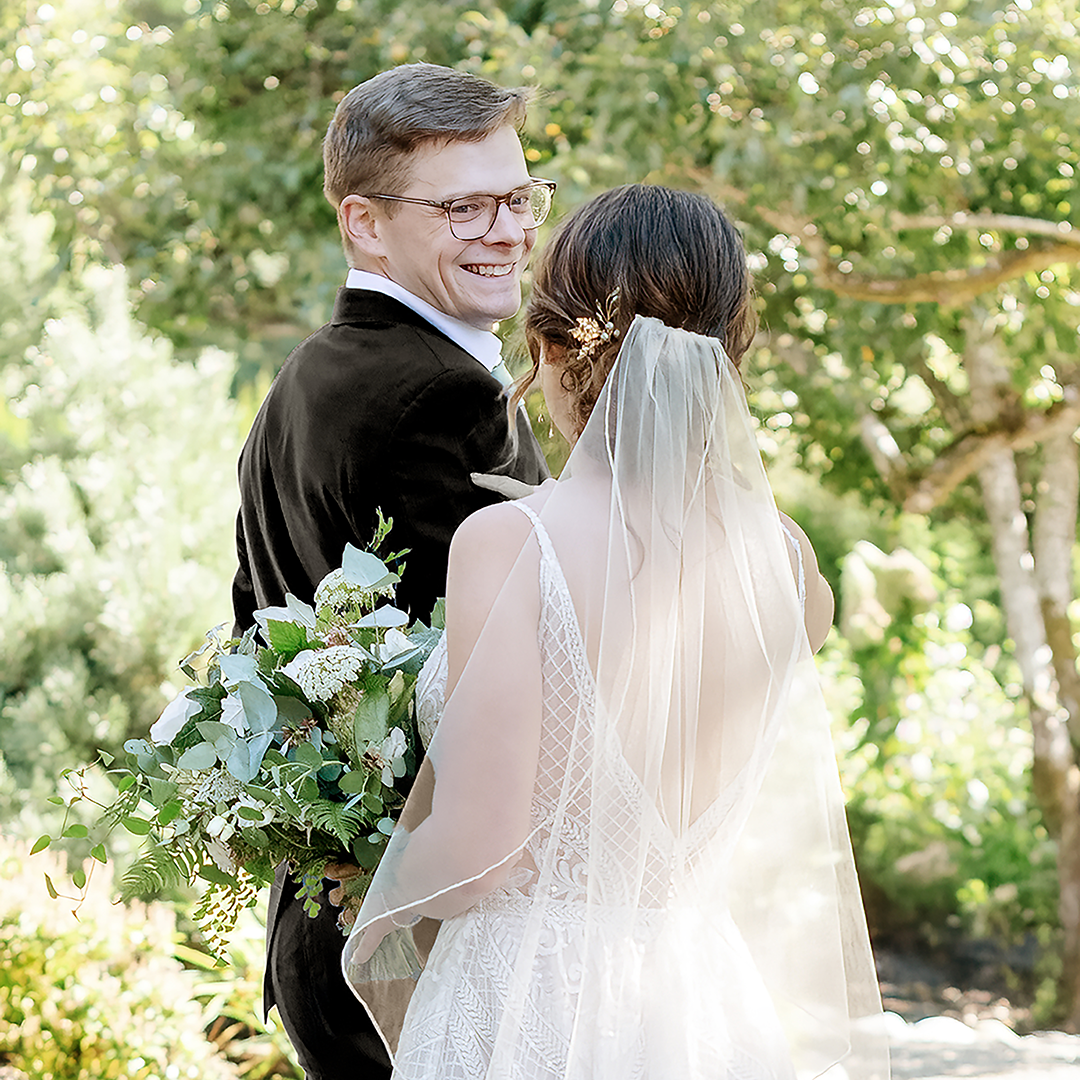
First Look or No First Look? (Here’s the Real Answer)
There’s no “right” choice—only what fits your priorities.
A First Look gives you:
More time together
A smoother, more relaxed timeline
Earlier completion of portraits
Often takes off some of the pressure of the actual ceremony
Waiting for the aisle gives you:
A more traditional experience
That once-in-a-lifetime reaction moment
What most people don’t realize is that this decision impacts your entire timeline.
If you’re unsure, this is something I walk my couples through personally because it’s not just emotional; it’s logistical. (I break this down even more in a separate post—stay tuned.)
Plan More Time for Photos Than You Think You Need
This is where most timelines fall apart.
Here’s a general guideline:
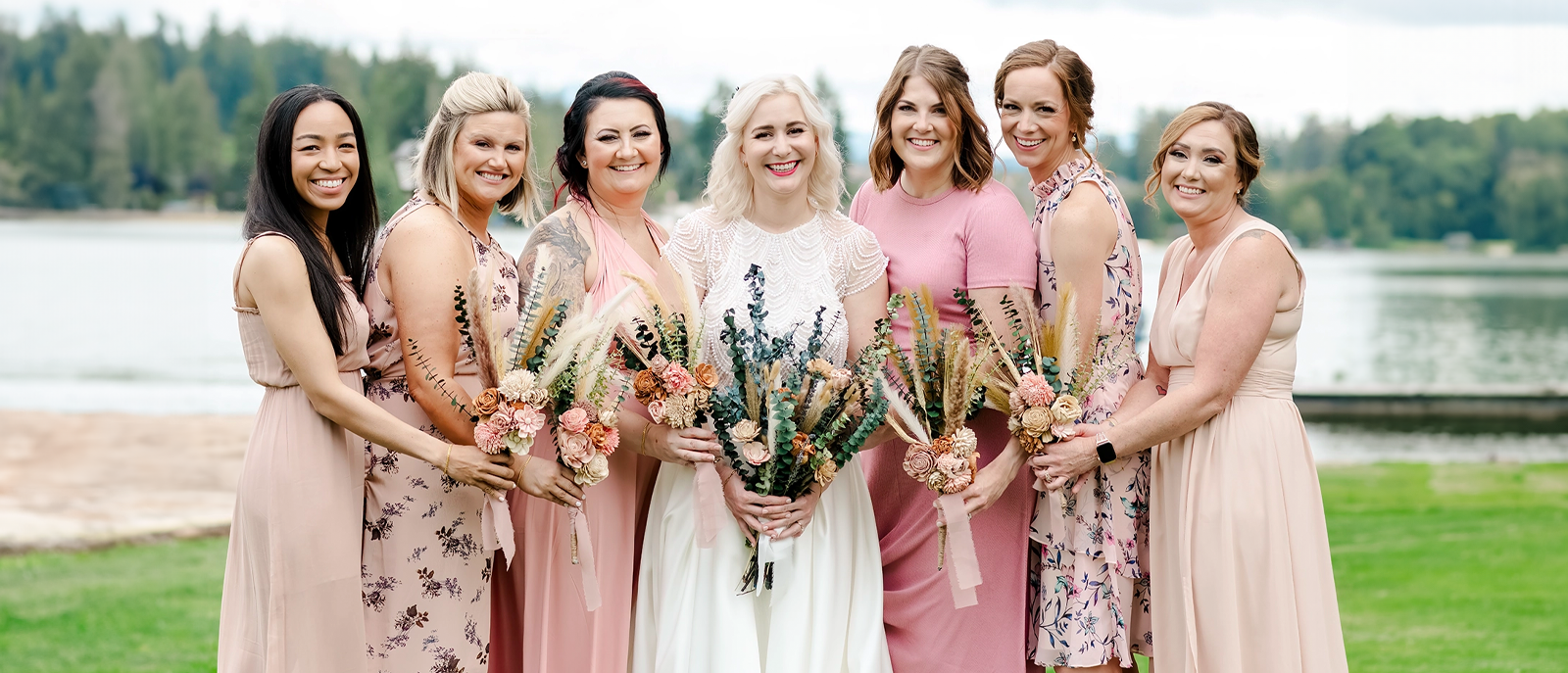
Wedding party photos: 20–30 minutes
Family photos: 30–45 minutes
Couple portraits: 20–30 minutes (minimum)
And here’s the key:
Add buffer time.
Because the moments you’ll love most? They happen in between.
If you want a deeper breakdown of exactly how much time to plan for each part of the day, I walk through that in detail here:
👉 How Much Time You Really Need for Wedding Photos
Cocktail Hour: The Most Underrated Part of Your Timeline
Cocktail hour is often thought of as a transition, but in reality, it’s one of the most important parts of your entire day.
This is where everything comes together.
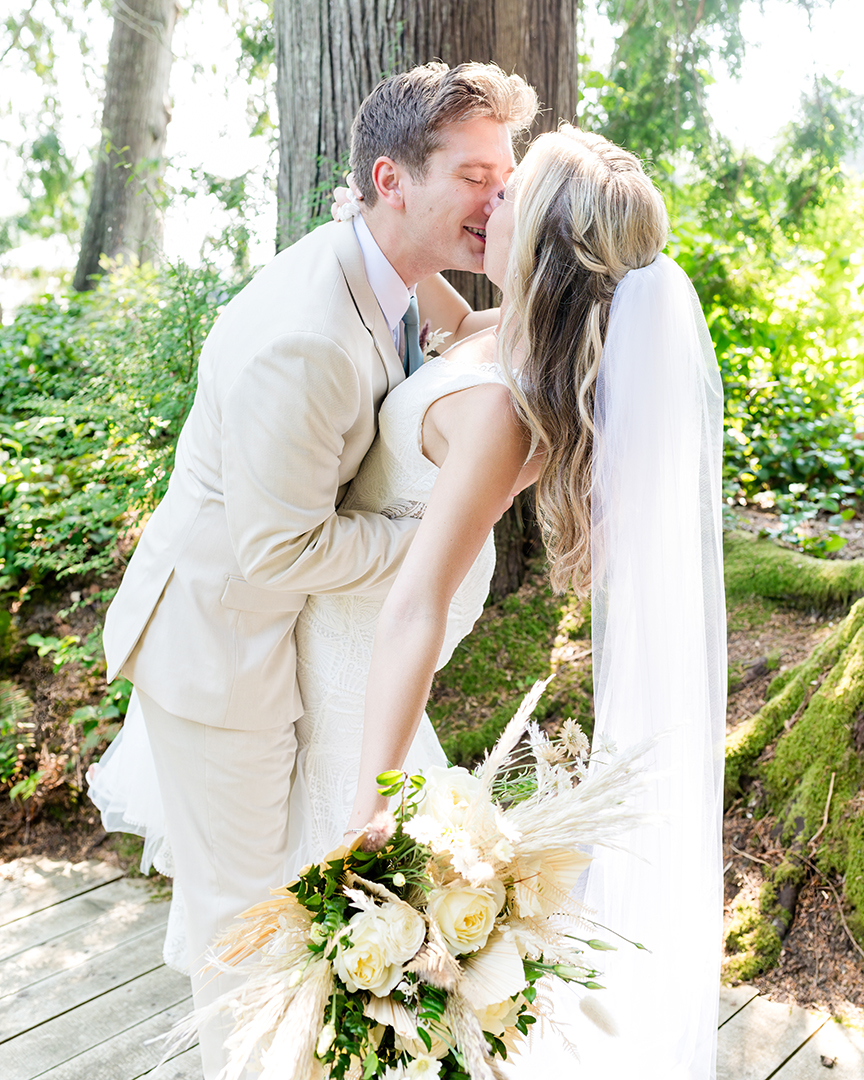
Right after your ceremony, cocktail hour becomes a natural window for:
Signing your marriage license
Finishing any remaining family photos
Stepping away for a few quiet moments together
And capturing relaxed, natural portraits without pressure
Because so much is already done beforehand, this time doesn’t feel rushed; it feels intentional.
And just as importantly, it protects your reception.
You’re not being pulled away constantly for photos.
You’re not missing time with your guests.
You’re able to be fully present once the celebration begins.
For many of my couples, this is one of the only parts of the day when things slow down just enough to actually take it all in.
And if the light happens to be beautiful?
We take advantage of it.
If not?
Nothing changes. We’ve already built a timeline that works regardless.
If you’d like to see how I approach this throughout a full wedding day and how it all comes together seamlessly, you can learn more about my approach here:
👉 The Adina Stiles Experience
Because the goal isn’t to chase perfect conditions, it's to create a day that feels effortless from start to finish.
Build in Breathing Room
The most overlooked (and most important) part of any timeline.
Without buffer time:
Delays stack up
Stress builds
Moments get rushed
With buffer time:
You stay present
Your experience feels calm
Your photos feel natural, not forced
A well-designed timeline should feel like it’s working for you—not controlling you.
Your Photographer Should Help You Build This
This is where I gently say something important:
You shouldn’t be doing this alone.
Your photographer isn’t just there to take photos; they should guide your timeline, help you avoid stress points, and create space for the moments that matter.
This is a big part of the experience I create for my couples, so your day feels seamless from start to finish, not just beautifully documented.
👉 Find out more about the experience.
Because the truth is...
A beautiful gallery starts long before the camera comes out.
A Simple Example Timeline (For Context)
Every wedding is different, but here’s a general flow:
10:00 AM – Getting Ready
1:30 PM – First Look + Portraits
2:30 PM – Wedding Party + Family Photos
4:00 PM – Ceremony
4:30 PM – Cocktail Hour
5:30 PM – Reception Begins
Sunset – Golden Hour Portraits
Evening – Dancing + Celebration
Simple. Intentional. Flexible.
If you’d like to see how this looks applied to a real wedding day, I’ll be sharing a full breakdown here:
👉 A Real Seattle Wedding Timeline
Final Thought
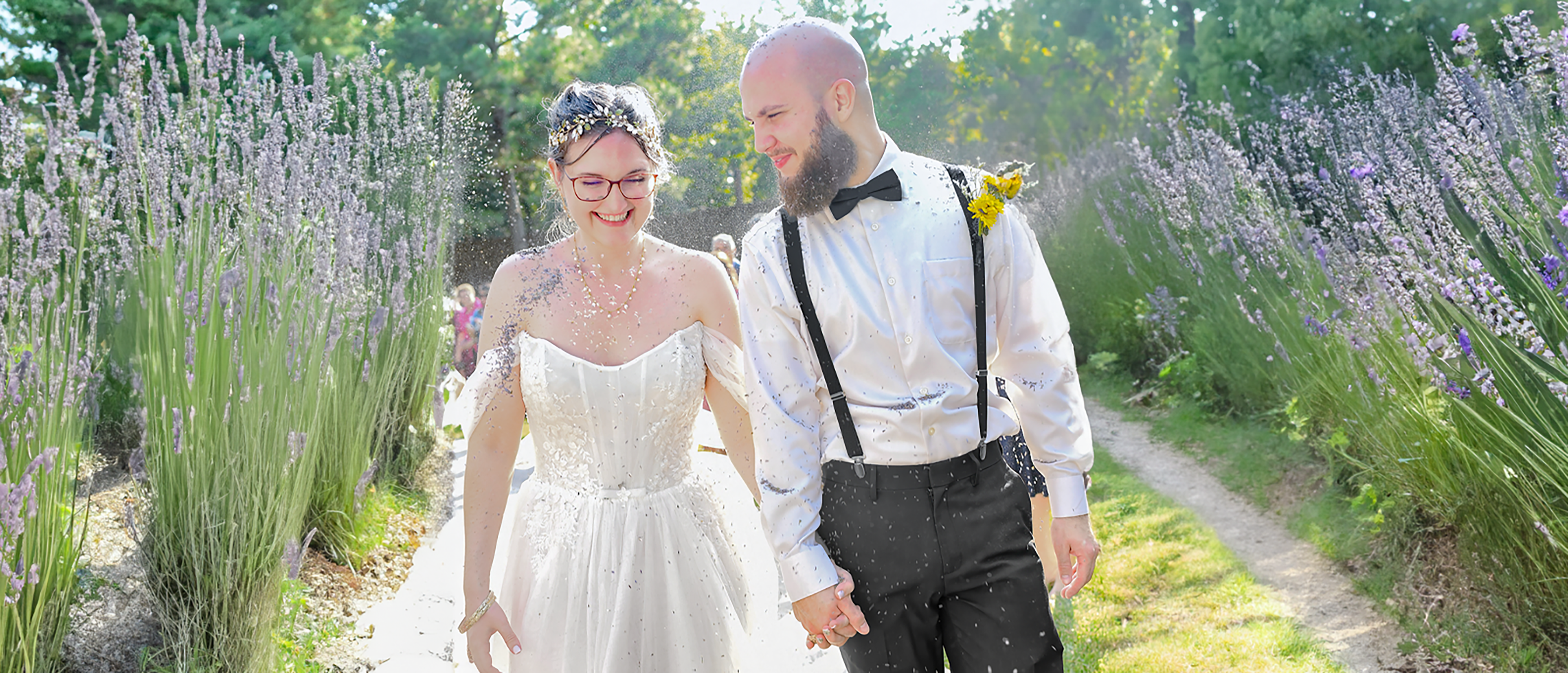
The best wedding days aren’t rushed.
They’re felt.
When your timeline is built with intention, everything shifts—you’re more present, your experience feels elevated, and your photos reflect the day as it truly was.
If You Want Help Creating a Timeline Like This…
If you’re planning a Seattle wedding and want a timeline that actually works and feels effortless, I’d love to help guide you through it.