How to Know If a Wedding Photographer Can Truly Shoot in Low Light
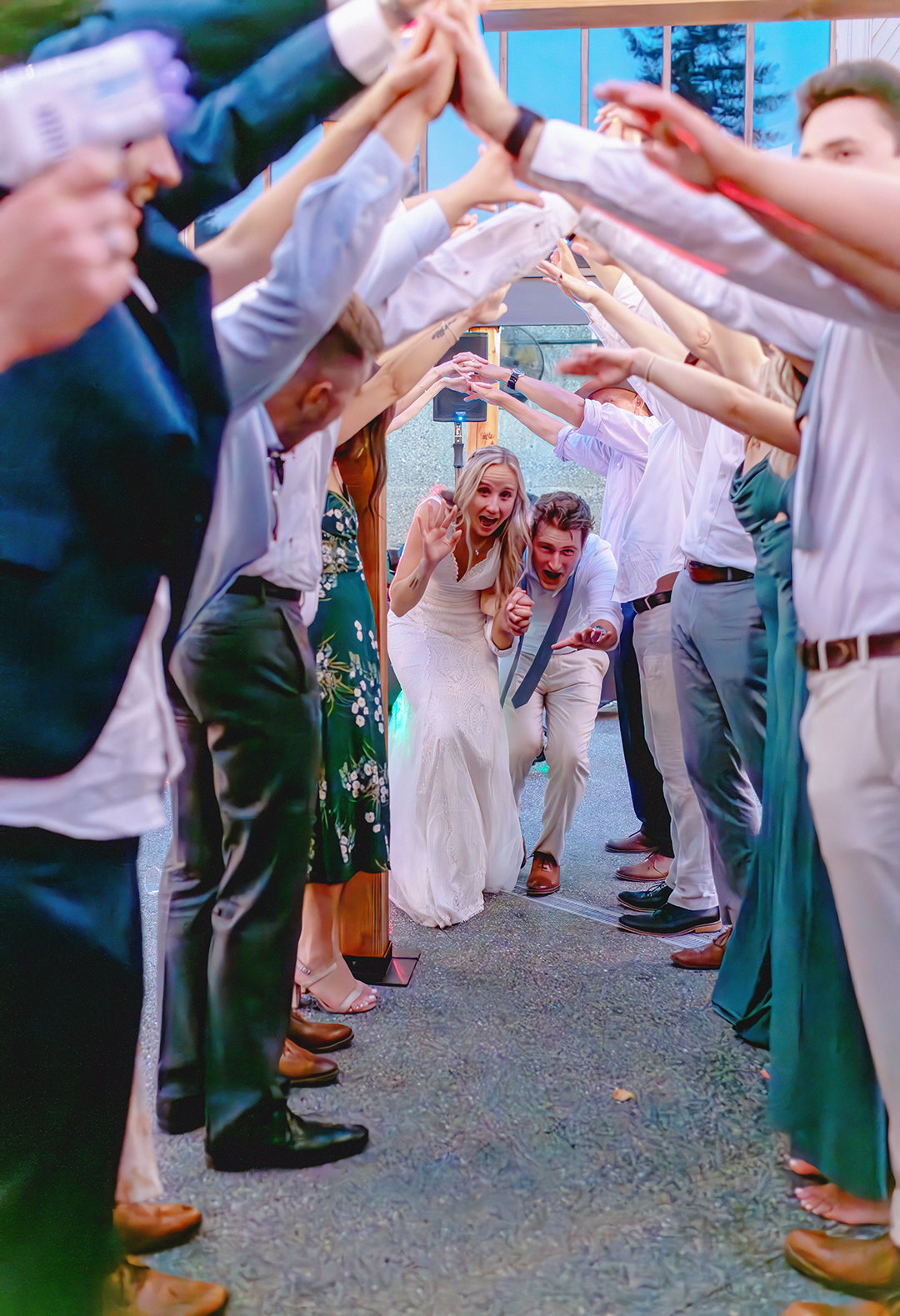
Candlelit receptions. Moody ceremonies. String lights glowing across a dark barn ceiling. Rainy afternoons that turn into dim evening celebrations long before dinner even begins.
Low-light weddings are beautiful, romantic, and incredibly atmospheric, but they also require a photographer with real technical skill behind the camera. Especially during the darker months of the year, when cloudy skies and early sunsets are part of the atmosphere, knowing your photographer can confidently handle low light matters even more.
The truth is, not every wedding photographer knows how to handle difficult lighting well. Social media portfolios often highlight bright outdoor portraits taken during golden hour, but your wedding day will likely include much darker conditions throughout the ceremony and reception. Knowing how to recognize a photographer who can confidently shoot in low light can make a huge difference in the final gallery you receive.
Look Beyond Golden-Hour Photos
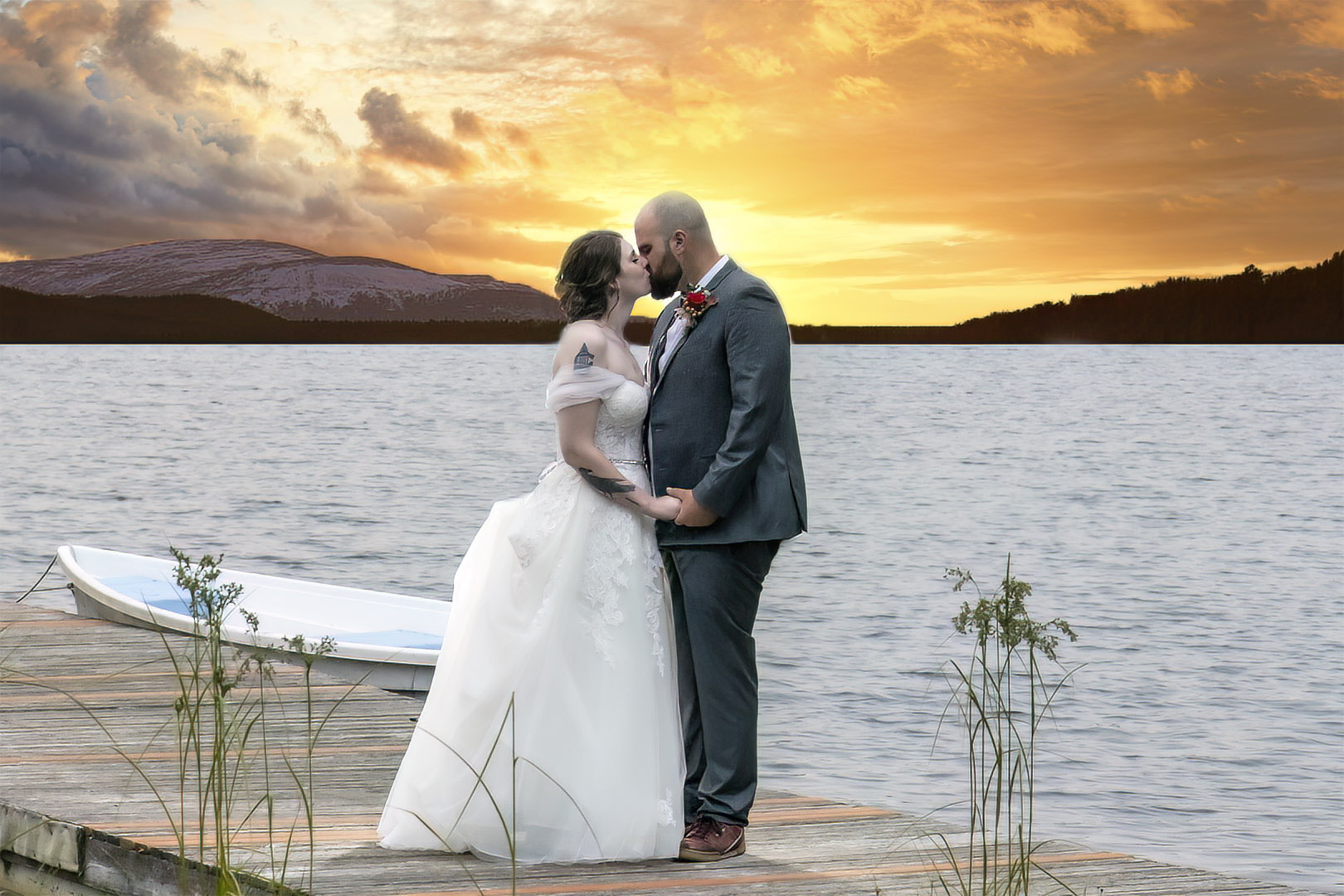
Almost any photographer can create beautiful images in perfect natural light. The real test is how they photograph a candlelit dinner, a dark indoor ceremony, or a packed dance floor with minimal lighting.
When reviewing a portfolio, pay attention to:
Indoor receptions
Evening ceremonies
First dances
Toasts in dim venues
Night portraits
Dark getting-ready spaces
A strong low-light photographer will show consistent quality throughout an entire wedding day, not just during sunset portraits.
Why Low-Light Experience Matters Even More in Moody Weather
If you are planning a wedding during the darker months of the year, low-light experience becomes even more important.
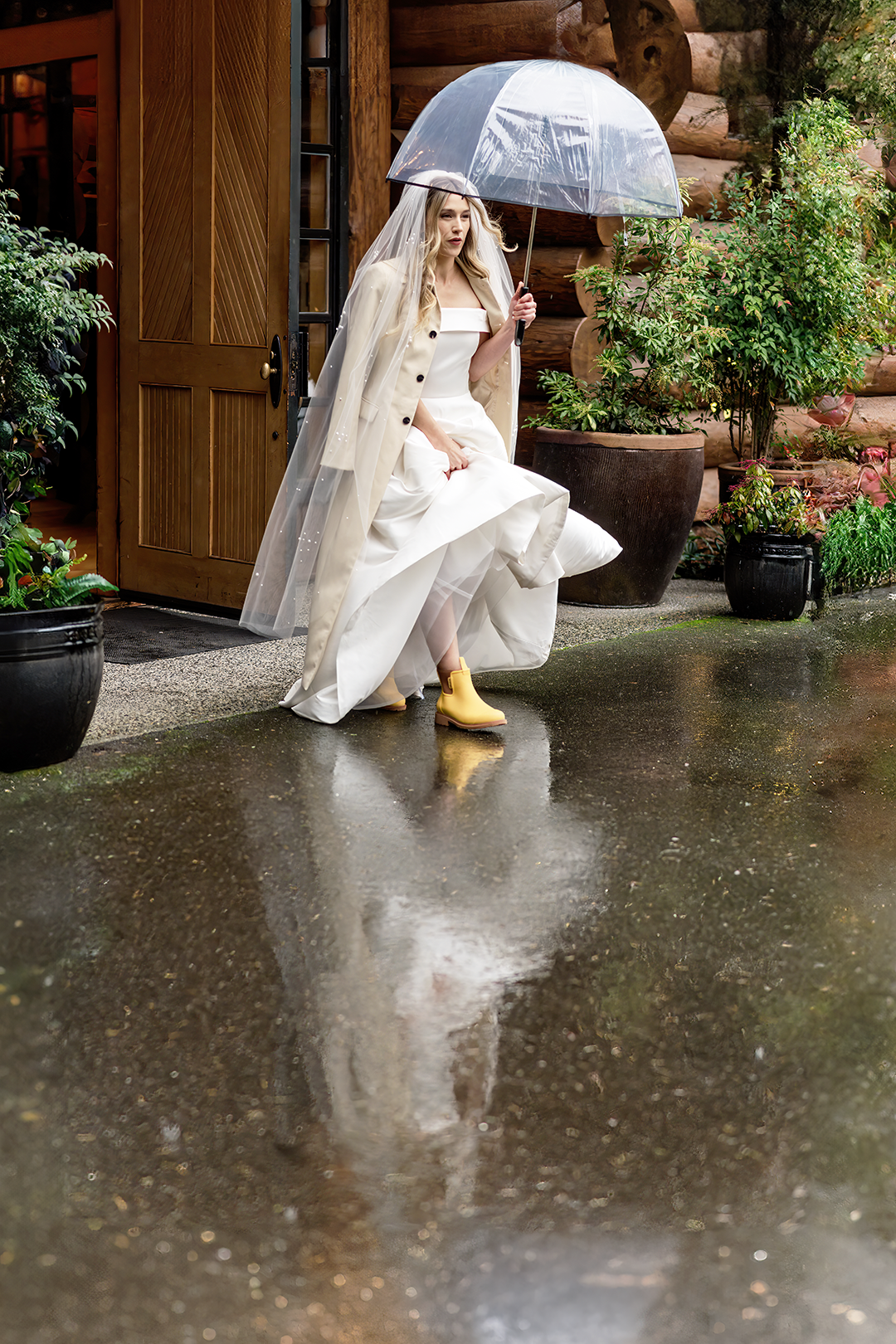
From late fall through early spring, daylight disappears quickly, and cloudy weather can create much darker conditions throughout the entire wedding day. Even afternoon ceremonies can feel dim indoors, especially in venues with wood interiors, candlelight, or limited natural light.
That deep, moody atmosphere is part of what makes weddings during this season feel so romantic and intimate. Still, it also requires a photographer who knows how to work confidently in constantly changing light.
A photographer experienced in darker environments knows how to preserve the atmosphere without losing detail, emotion, or natural skin tones. They understand how to photograph rainy days, overcast skies, candlelit receptions, and early sunsets in a way that still feels elegant, intentional, and true to the day's experience.
Moody weather should never mean sacrificing beautiful photographs. In the right hands, it becomes part of the story.
Skin Tones Should Still Look Natural
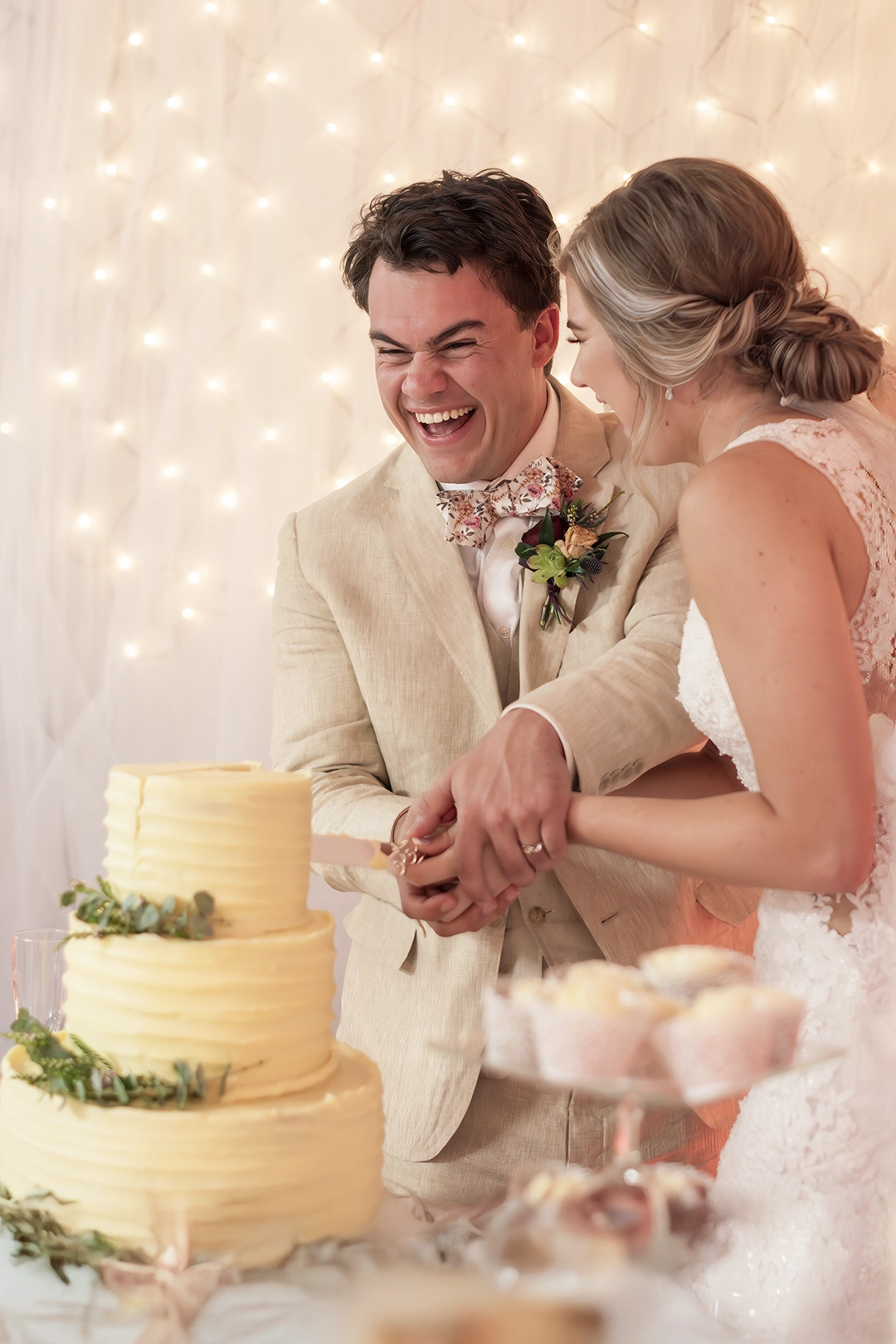
One of the biggest signs of inexperience in low light is unnatural skin tones. Images may appear overly orange, gray, muddy, or heavily shadowed when a photographer does not know how to properly balance artificial light.
A skilled photographer understands how to work with mixed lighting situations while still preserving realistic, flattering skin tones and the atmosphere of the space.
The goal is not to make the room look brighter than it was. The goal is to preserve the mood while keeping people beautifully lit.
Ask to See Full Wedding Galleries
Instagram is a highlight reel. A full gallery tells the real story.
If you are planning a wedding with darker lighting, ask to see complete galleries from weddings with:
Indoor ceremonies
Winter weddings
Barn venues
Candlelit receptions
Estate venues with minimal natural light
Evening celebrations
This gives you a much clearer understanding of how consistently a photographer performs when lighting conditions become challenging.
Experience Matters More Than Expensive Gear
Professional cameras and lenses absolutely help in low light, but equipment alone does not create beautiful images.
Knowing how to use flash naturally, when to preserve shadows, how to expose for candlelight, and how to work quickly in changing conditions all come from experience.
An experienced wedding photographer knows how to adapt without disrupting the atmosphere of the day. They can move confidently through difficult lighting situations while still creating images that feel elegant, emotional, and true to the moment.
Pay Attention to reception photography
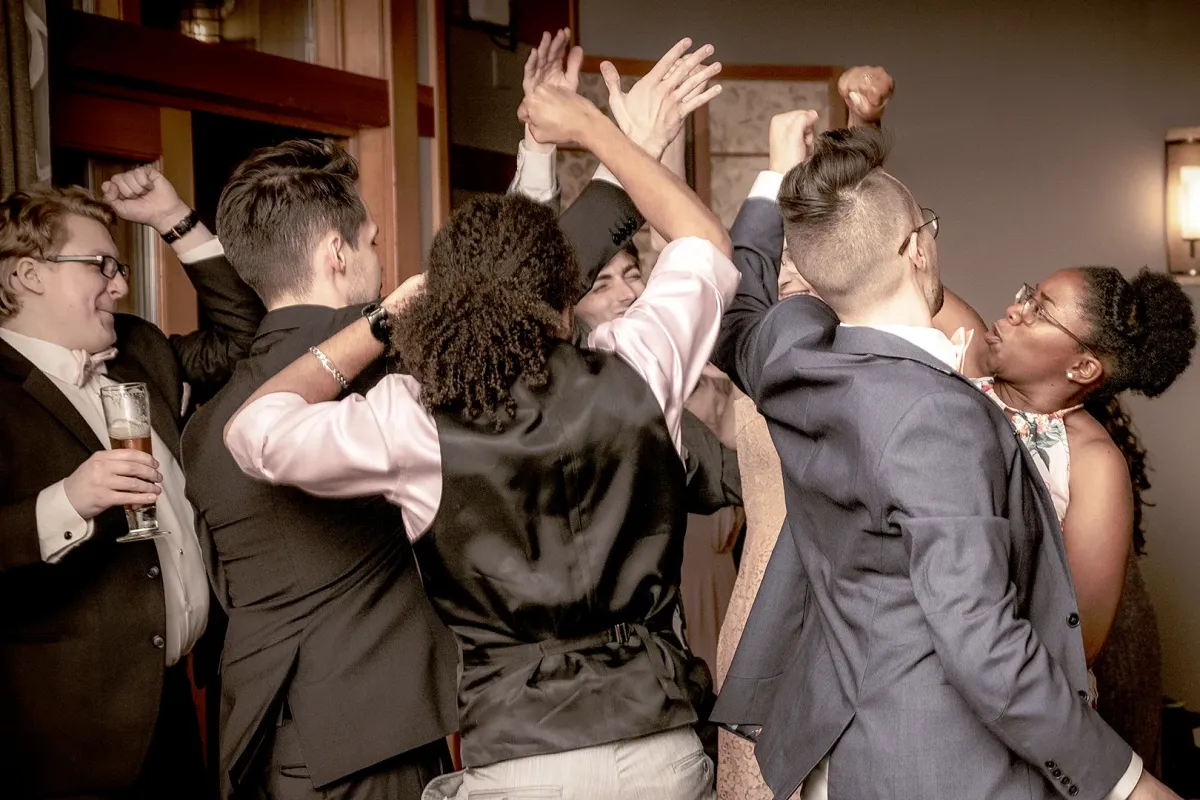
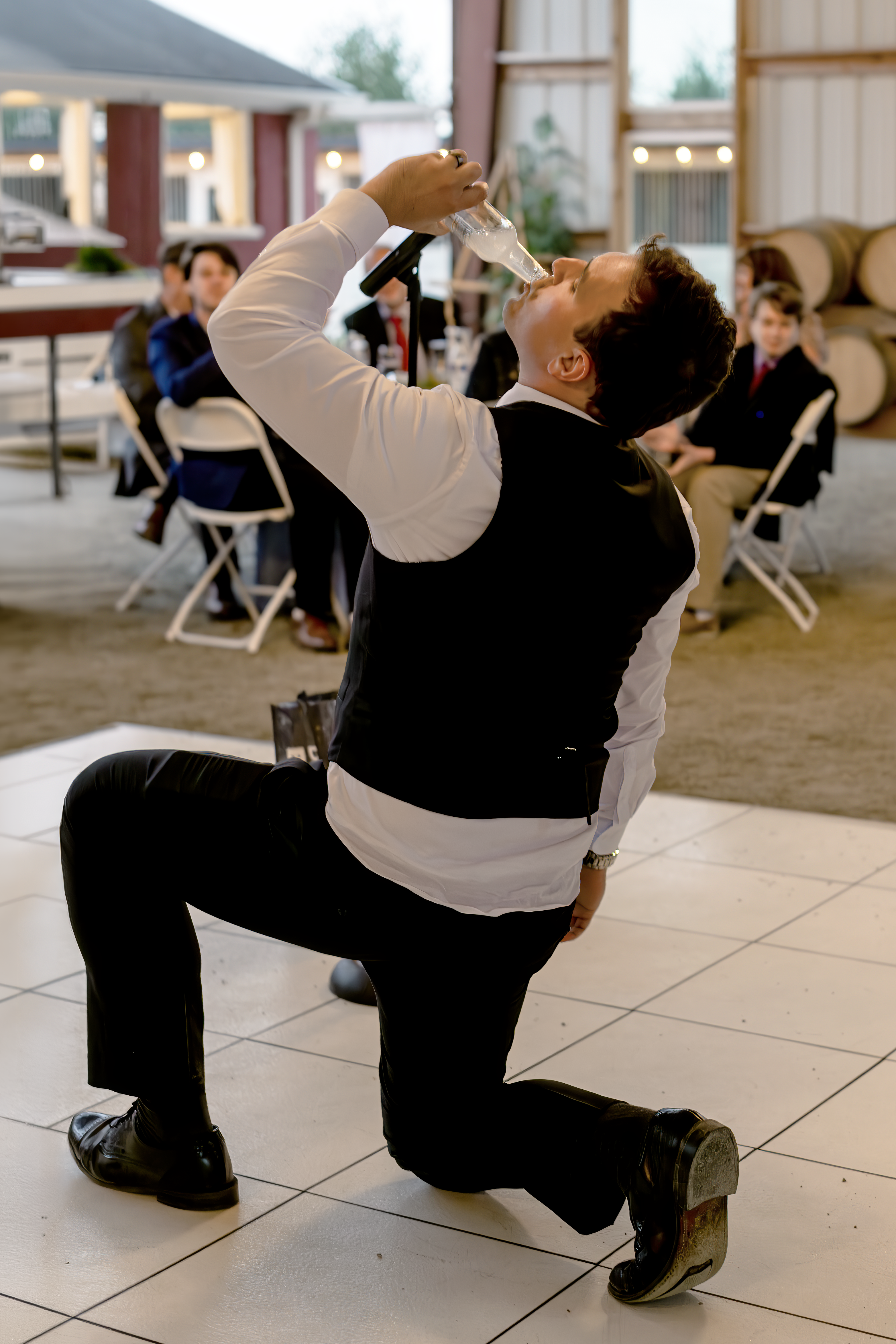
Reception coverage is often where low-light skill becomes most obvious.
A photographer who struggles in dark environments may deliver the following:
Blurry dancing photos
Harsh flash lighting
Distracting shadows
Flat-looking images
Lost detail in dark spaces
A photographer who understands low light will create reception images that still feel vibrant, dimensional, and full of atmosphere without sacrificing image quality.
Reception Lighting Matters More Than Most Couples Realize
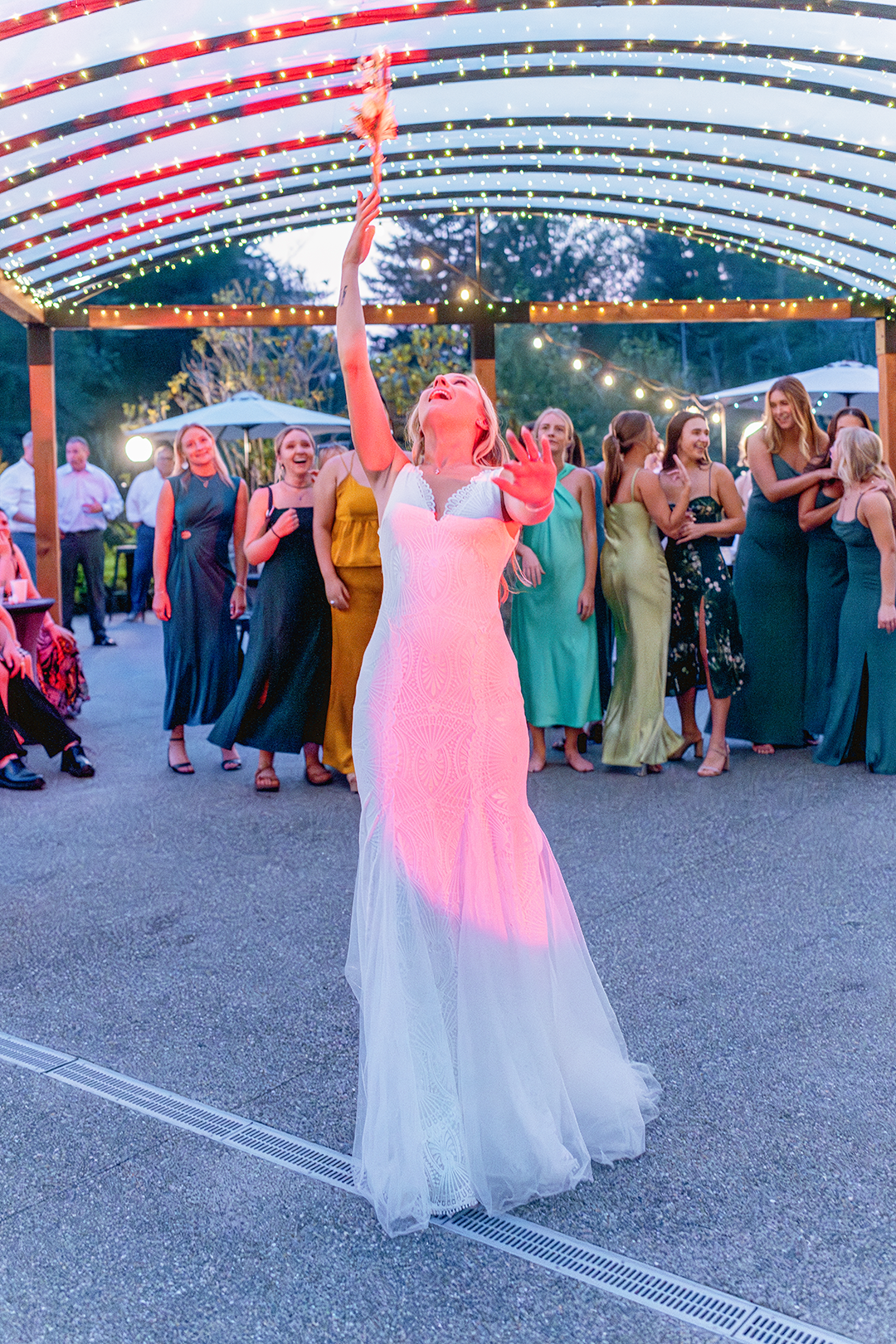
One of the biggest lighting changes during a wedding day happens once the reception begins. As the lights dim and the dance floor opens, photographers are suddenly working with constantly changing conditions from DJ lights, uplighting, candles, twinkle lights, and dark reception spaces.
This is where experience really matters.
A photographer who understands reception lighting knows how to preserve the atmosphere of the evening without losing the clean, polished look of the images. Skin tones should still look natural, movement should still feel intentional, and the energy of the room should still come through without the photos looking overly dark, blurry, or washed in colored light.
It is also important to know that certain DJ lighting, especially some LED laser-style lights, can permanently damage a photographer or videographer’s camera sensor. A professional photographer will usually communicate directly with the DJ about lighting restrictions before the reception begins to help protect equipment and ensure the lighting setup photographs well throughout the night.
The goal is not to make the reception look brighter than it was. The goal is to photograph it in a way that still feels elegant, atmospheric, and true to the experience of being there.
"Moody" Does Not Mean "Dark and Grainy"
There is a difference between intentional mood and poor lighting technique.
A properly exposed low-light image can still feel rich, cinematic, and emotional while maintaining sharpness, detail, and clean editing. Dark does not have to mean dull.
The best low-light wedding photography preserves the ambiance of your wedding exactly as it felt while still making you look incredible in every frame.
Final Thoughts
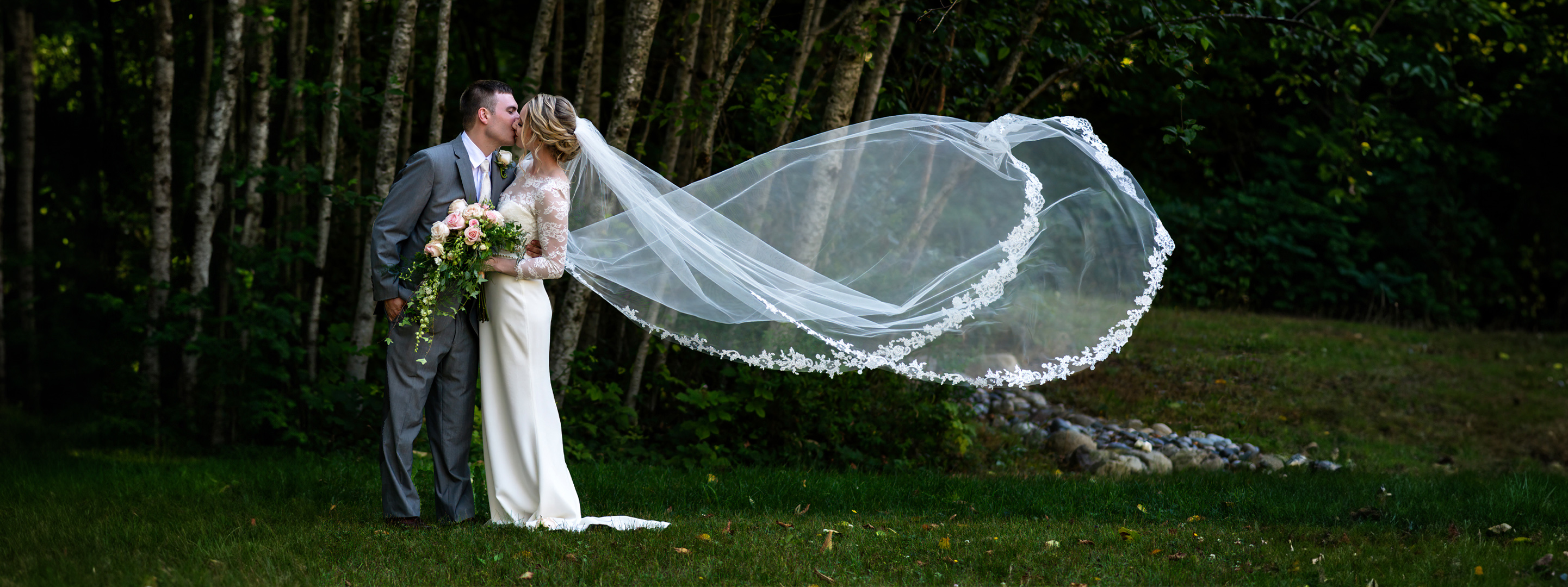
Beautiful low-light wedding photography is about much more than owning professional equipment. It takes experience, technical understanding, and the ability to work confidently in unpredictable lighting situations without losing the emotion or atmosphere of the day.
If your vision includes candlelight, romantic evening receptions, moody weather, or intimate indoor spaces, choosing a photographer who truly understands low-light photography can make all the difference in preserving the atmosphere and emotion of your wedding day.